Last updated: September 22, 2022
All too often, we take it for granted that we can move, stretch, or even get on and off the floor. As we age, these things can become more challenging for some people. But there are many things that you can do to maintain balance, stability, mobility, and even flexibility. The benefits of yoga for seniors include all of these elements and more.
Yoga is not always really complicated poses that only limber people can accomplish. But you can start as a beginner and work your way towards those. You can also stick to simple posts as well and still reap the benefits. In this guide, we will share many of the benefits of yoga for adults and seniors. You just might be surprised at some of the things you can experience.
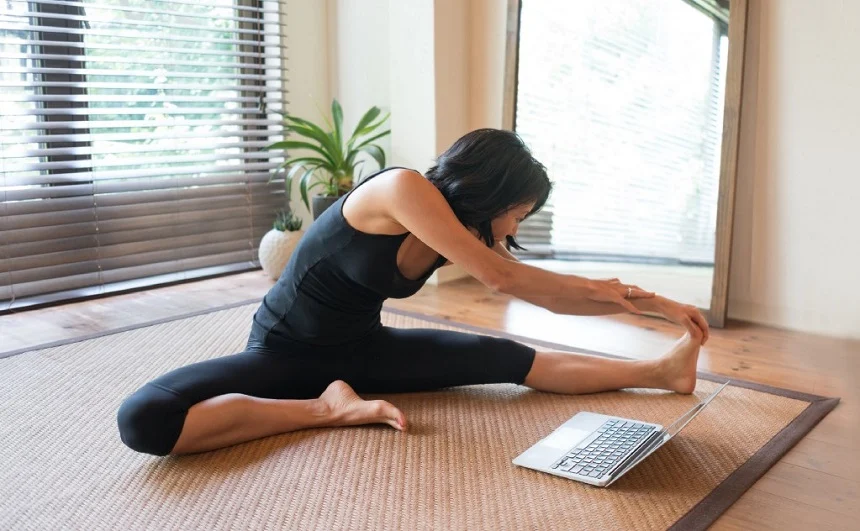
Slow movements and deep breathing increase blood flow and warm up muscles while holding a pose can build strength.
Do you know what yoga really is Trusted Source Yoga: Its Origin, History and Development Yoga: Its Origin, History and Development www.mea.gov.in ? You’ve probably heard popular phrases like “namaste” or even witnessed some of the most complicated and twisted moves that can be done with yoga. But really, that’s just part of it and not really what defines yoga.
Instead, think of yoga as a set of practices that are designed to improve your spiritual, mental, and physical health. Yoga has a number of different types of positions, and many of them have different purposes.
The various parts of yoga include:
The ultimate goal of yoga Trusted Source NCCIH Logo This fact sheet provides a general overview of yoga and suggests sources for more information. www.nccih.nih.gov is to bring balance to the mind and the body, using therapeutic poses that are primarily stretching movements.
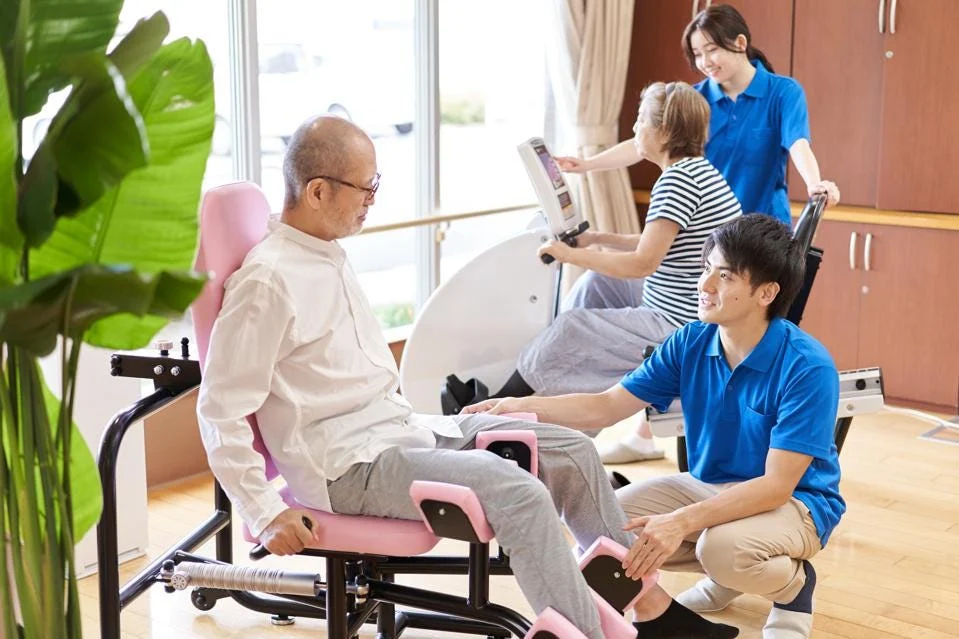
Seniors can incorporate a variety of different exercises into their lives, and yoga is just one of them. For example, if you’re looking for seated exercises that improve mobility, you can use one of these best pedal exercises for seniors to add in some cardio and facilitated movements.
There are benefits to any type of movement or exercise, including yoga. In a moment, we will take a closer look at some of those benefits. Before you go, let’s talk about being prepared.
If you’re able to get down on a yoga mat, this can be very helpful for some of the poses you might do. Many yoga people recommend this simple mat from the Gaiam Store. It folds up nicely, has plenty of padding, and even comes in several color choices.
You will also want to stay hydrated as part of your overall plan. You can use pre-workout, flavored water, or even electrolyte drinks with your yoga. These Hydra Cups make it really easy to always have your hydration on hand.
Now, check out these benefits of yoga for seniors.
It’s not just the younger generations that are dealing with anxiety and depression. In fact, according to the World Health Organization, more than 20% of adults over the age of 60 struggle with mental health disorders of some kind, including anxiety. Yoga is known for its calming ability. The poses are designed to relax and soothe your mind and body.

Yoga poses stretch your muscles and increase your range of motion. With regular practice, they’ll improve your flexibility.
Flexibility requires routine muscle movement, and it becomes far more restrictive over time. Using traditional yoga poses will help with your flexibility, as the majority of poses involve some sort of stretching. You can often even modify and work your way up to more intense movement over time.
For example, you might benefit from chair yoga for seniors that can be done in a seated position and still stretch multiple ways. You could also do much standing yoga poses with the help and stability of your walker. One of these best narrow walkers for seniors could be a great assistant tool for basic yoga stances.
Do you feel out of breath when you move around or do physical activity? Yoga poses can help improve your respiratory strength, giving you more endurance and stronger breathing from repeated exercises. This is one benefit that many people don’t realize can be found with yoga.
As you age, your bones naturally become weaker, as do your muscles. This has to do with your body producing fewer hormones and minerals needed for the strength of bones. This is why the elderly are more prone to osteoporosis, arthritis, and even broken bones. Simple yoga poses Trusted Source 10 Common Yoga Poses | DAHLC Want to start trying some common yoga moves? Check out 10 common yoga poses below for information on how to execute each pose and learn their purpose! dahlc.mayoclinic.org can make a huge difference.

Balance can be mastered by focusing your attention on alignment, strength, and attention.
Yoga is all about balance, and we don’t just mean your stance. While that is an important facet, yoga also focuses on the balance of mind, body, and spirit. Why not incorporate some simple moves that can help you be more stable on your feet?
As you begin to use your body more, you will find that it is more prone to relax. Ailments and aches are soothed more. This allows you to get better sleep. Not only that but there are yoga poses you can do right before bed that is designed for better sleep too.
Yoga has been shown to help reduce blood pressure, improving your heart health. Simple positions bring relaxation and peace to your body, reducing stress and tension that often leads to high blood pressure.
Many times, bad cholesterol can be reduced by yoga. There is still much testing to be done on this benefit, but there seems to be a direct correlation. It may be the movement or even the contribution to your health that helps reduce cholesterol levels.
As you improve your health, increase your stability, and work on your yoga, you will find yourself feeling more confident. You will be more confident in movement and stability as well as the physical aspects.
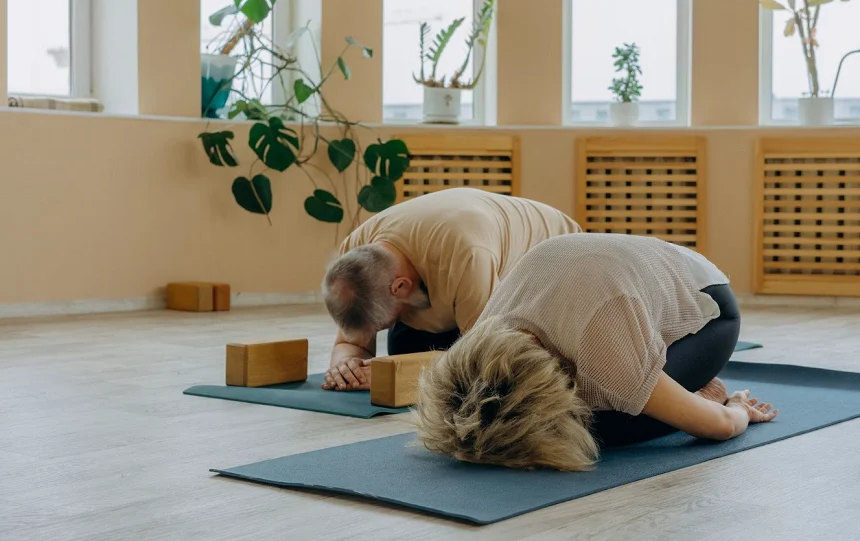
Yoga can help people with arthritis, fibromyalgia, migraine, low back pain, and many other types of chronic pain conditions.
You don’t have just to sit and suffer from aching joints. You also don’t have to go all in on intense movements and workouts. You can experience pain relief and soothing from yoga as it relaxes and reduces tension in your body.
Mindfulness and mental well-being are big parts of the concept behind yoga. It gives you time to quiet your mind, meditate, or simply bring peace to the moment in a small way. Be mindful of your body and your emotions.
Before you start incorporating yoga into your routine, you might check with your doctor to be sure you are safe in doing so. They may have recommendations for you to follow as well. Always be sure you have stability and support near you to avoid falls and mishaps.
If you are unsteady on your feet, you might benefit from one of the best walking canes for balance to have nearby or even add a little bit of support as you work on the poses.
Yoga can be beneficial for people of all ages. There are certainly many great benefits of yoga for the elderly, but other people can reap the benefits too. This long-standing natural approach has been helping men and women for years to increase flexibility and improve their overall well-being as well.
These benefits of yoga for seniors really just barely touch the surface. You will find that benefits may be different for different people too. Everyone’s needs are different, and therefore the results can be different as well.
Plug into a yoga class specifically for seniors, or even take the time to look up some ideas online and put them to use in your home. You will surely appreciate what it can do for you.