Sleeping in a chair is not automatically unsafe for an older adult, but it is not something to assume is harmless for everyone either. An occasional night in a supportive recliner may be comfortable, while routinely needing to sleep upright can deserve a closer look—especially if lying flat causes shortness of breath, if sleep remains poor, or if the person has limited mobility or a higher risk of blood clots.
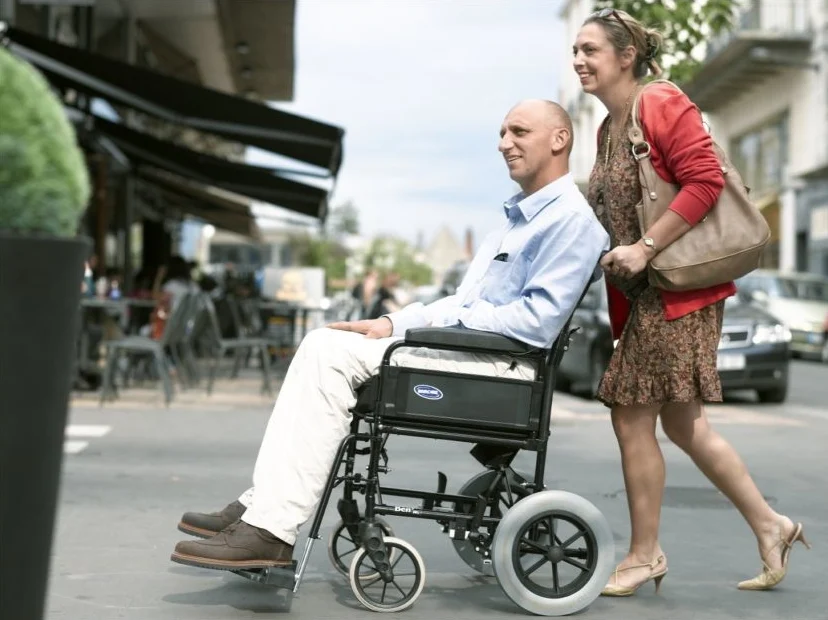
Some people find an elevated upper body helps nighttime acid reflux, but a recliner is not a treatment for sleep apnea, chronic back pain or another medical condition. For obstructive sleep apnea, sleeping on the back can actually worsen airway obstruction in many people, and treatment should follow the person’s healthcare plan. If upright sleeping relates to mobility or seating needs, our wheelchair and mobility seating guides cover the equipment side of that decision.
By Ray Butcher, Certified Senior Fitness Instructor
SeniorFitness is reader-supported. We may earn a commission through qualifying purchases. Read our affiliate disclosure.
When Is Sleeping in a Chair Reasonable?
| Situation | What to know |
|---|---|
| Occasional nap or one-off night | A supportive recliner may be comfortable if the person can change position, get in and out safely and wakes feeling rested. |
| Nighttime acid reflux | Elevating the head and upper body can reduce nighttime GERD symptoms for some people, although a wedge or raised bed may be more predictable than sleeping in a chair. |
| Known sleep apnea | Do not use a recliner as a substitute for prescribed treatment. Many people with obstructive sleep apnea do better avoiding back-sleeping. |
| Unable to lie flat because of breathlessness | This should be discussed with a healthcare professional rather than treated as simply a comfort preference. |
| Very limited movement for long periods | Prolonged immobility can increase blood-clot risk, especially when other risk factors are present. |
Older adults generally still need about seven to nine hours of sleep each night. The more useful question is therefore not simply whether a chair is “safe,” but whether the person can sleep comfortably, breathe normally, change position, avoid prolonged pressure and get up safely when needed.
Why Someone Might Prefer a Recliner
A recliner changes the angle of the torso and hips, which can feel more comfortable than lying flat for some people. That may be useful temporarily after an injury or procedure, or when a person’s usual bed position aggravates a symptom. Comfort is individual, though, and a chair that feels supportive for an hour of television is not necessarily suitable for an entire night.
Night time Acid Reflux
There is reasonable support for elevating the upper body when nighttime reflux is a problem. The National Institute of Diabetes and Digestive and Kidney Diseases advises that doctors may recommend raising the head and upper back by about 6 to 8 inches during sleep, while the American College of Gastroenterology also recommends elevating the head of the bed for nighttime GERD symptoms.
A recliner can create a similar elevated posture, but that does not mean every chair is an ideal long-term solution. If reflux is frequent, severe or persistent despite changes in sleep position, it is better addressed as a reflux problem rather than simply managed by staying in a chair every night.
Back or Joint Discomfort
Some people with back, hip or joint discomfort find a reclined position easier to tolerate. That is a comfort response, not evidence that recliners universally correct spinal alignment or treat chronic pain. Mayo Clinic’s back-sleep guidance emphasizes supporting the body’s natural alignment—for example, a pillow under the knees when lying on the back or between the knees when sleeping on the side—rather than recommending one chair or mattress type for everyone.
If a person repeatedly chooses a chair because a bed causes significant pain, that persistent pain deserves its own assessment. The goal is restful sleep without creating new pressure, stiffness or transfer problems.
Important Risks to Consider
Restricted Movement and Pressure
A chair generally gives less room to turn and reposition than a bed. Someone who already has reduced mobility may remain in one position for a long time, which can contribute to stiffness, discomfort and pressure on the areas bearing weight. The concern is greater when the person cannot independently shift position or get out of the chair.
Blood-Clot Risk Comes From Immobility, Not the Chair Alone
The old advice that “sleeping in a chair causes blood clots” is too simplistic. The CDC identifies slow blood flow from limited movement and prolonged sitting as risk factors for deep vein thrombosis and pulmonary embolism. Risk rises further when factors such as older age, recent surgery or injury, previous clots, cancer, certain chronic illnesses or hormone use are also present.
Someone with a high clot risk should follow their healthcare professional’s guidance about mobility, compression garments or medication rather than relying on general sleep-position advice. New one-sided leg swelling, unexplained leg pain, chest pain or sudden difficulty breathing warrants prompt medical attention.
Sleep Apnea Is Not a Reason to Self-Treat With a Recliner
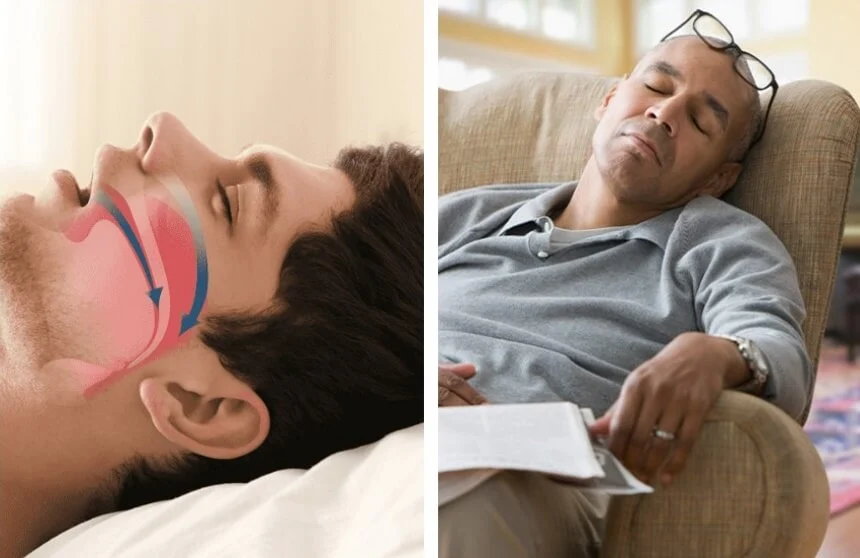
The original article suggested that sleeping upright in a chair could reduce sleep apnea. That is too broad. The National Heart, Lung, and Blood Institute notes that a healthcare provider may recommend sleeping on the side rather than the back because this can help keep the airway open. Mayo Clinic similarly advises side or stomach sleeping rather than back-sleeping for many people with obstructive sleep apnea.
A person using CPAP, an oral appliance or another sleep-apnea treatment should not replace it with a chair unless their sleep clinician specifically advises that change. Persistent loud snoring, witnessed pauses in breathing, morning headaches or marked daytime sleepiness are reasons to discuss sleep apnea with a healthcare professional.
A New Need to Sleep Upright Can Be a Symptom
One of the most important points for an older adult is why the chair has suddenly become necessary. The American Heart Association notes that difficulty breathing while lying flat, waking short of breath and needing more pillows can occur with worsening heart failure. The National Heart, Lung, and Blood Institute also lists inability to sleep lying flat among possible heart-failure symptoms.
This does not mean that everyone who prefers a recliner has heart failure. It does mean that a new or worsening inability to lie flat because of breathlessness should not simply be solved by buying a more comfortable chair. It should be discussed with a healthcare professional, particularly when accompanied by ankle or leg swelling, unexplained fatigue, cough or rapid weight gain.
Making Chair Sleep More Comfortable and Safer
If chair sleeping is temporary or has already been discussed with the person’s healthcare team, focus on support, position and safe transfers rather than elaborate bedtime routines.
- Use a stable chair or recliner that supports the head, neck, back and arms without forcing the body into an awkward posture.
- Keep feet and lower legs supported rather than leaving them dangling for long periods.
- Make sure the person can change position or has assistance to reposition if mobility is limited.
- Keep the route to the bathroom clear and make sure the chair is easy to exit safely during the night.
- Avoid open flames such as candles around someone who may fall asleep unexpectedly.
- Keep the room quiet, dark and at a comfortable temperature. The National Institute on Aging also recommends a regular sleep schedule and reducing screens, caffeine, alcohol and large late meals.
If the chair is being used because of a recent fall, do not assume sleeping there is part of normal recovery. Address the injury and any change in mobility first. Our guide to what to do after a bathroom fall covers the immediate response after that type of incident.
What Type of Chair Is Better for Overnight Rest?
If someone is going to sleep in a chair, a supportive recliner is usually more practical than a dining chair, armless chair or upright wingback because it can support more of the body and change the hip and torso angle. Look for stable armrests, adequate head and neck support, a footrest that supports the legs, and controls the person can use safely.
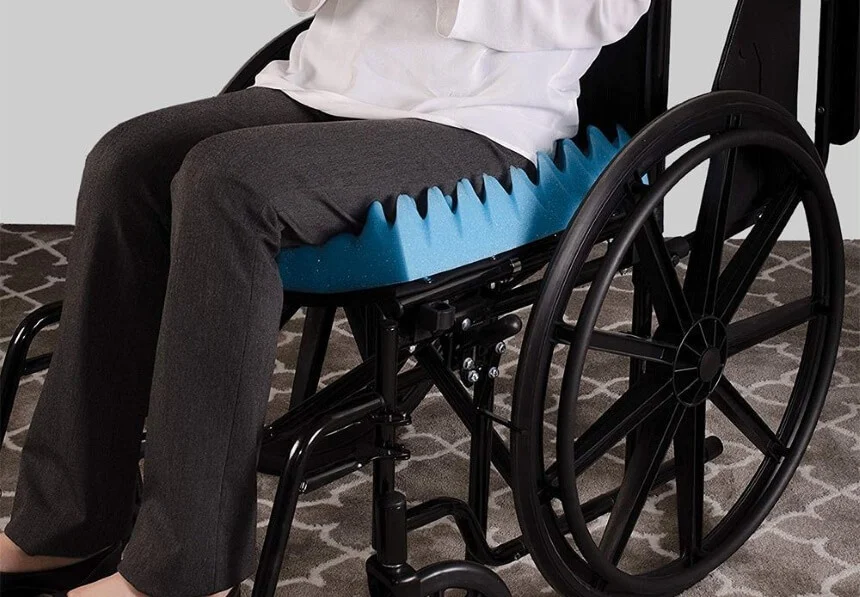
There is no single “safe recliner” design for every older adult. Someone with difficulty transferring, reduced trunk control, significant swelling, pressure-injury risk or a tendency to slide forward may need seating advice from an occupational therapist, physiotherapist or other appropriate clinician rather than simply a softer or larger chair.
So, Is It Safe to Sleep in a Chair Every Night?
For some older adults, sleeping in a supportive recliner may be an acceptable short-term or personally preferred arrangement. But there is not enough basis to say that every senior can safely sleep in a chair every night, or that doing so will treat reflux, sleep apnea, back pain or other medical conditions.
If the person sleeps well, can reposition, gets in and out safely and has no concerning symptoms, the chair itself may not be the problem. If they cannot lie flat because of breathing difficulty, are becoming less mobile, develop swelling or pain, or remain unusually tired despite spending enough time asleep, the reason for chair sleeping matters more than the chair—and is worth discussing with a healthcare professional.