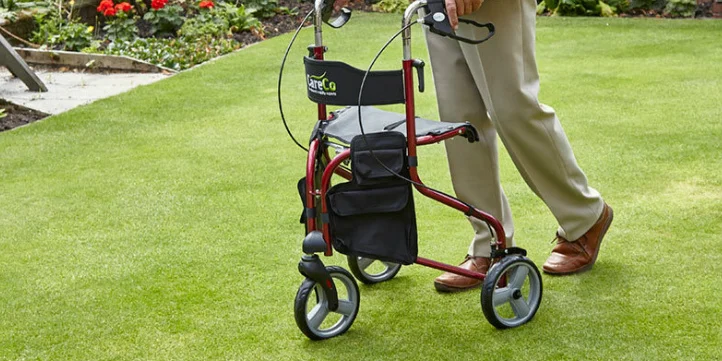

The safest way to protect hardwood floors from a walker is to keep the floor and contact points free of grit, then use secure, correctly sized glides or coasters approved for that walker. A floor protector should never make the walking aid unstable, interfere with its brakes or come loose during use. Our guide to walkers and walking aids explains how different designs support different mobility needs.
Pre-cut tennis balls and fitted fabric covers can also reduce marks indoors, but they require more frequent inspection and cleaning. Avoid loose rugs and improvised stick-on pads: either can create a trip or slip hazard when the priority must be safe, predictable movement.
By Nan J. Corbo | Reviewed by Ray Butcher
SeniorFitness is reader-supported. We may earn a commission through products purchased using links on this page. Learn more in our affiliate disclosure.
The best floor-protection options at a glance
| Option | Floor protection | What to watch | Best use |
|---|---|---|---|
| Clean tips, glides and wheels | Prevents trapped grit from being dragged across the finish | Repeat after outdoor use and whenever debris is visible | Every walker |
| Purpose-built ski glides or coasters | Smooth contact surface reduces scraping | Must fit securely and suit the walker model | Two-wheel walkers and indoor use |
| Pre-cut tennis balls | Soft felt cushions rear legs | Collect dirt and moisture; replace when worn or loose | A common low-cost option when suitable for the user |
| Fitted glide covers | Soft fabric separates the glide from delicate flooring | Can trap grit, wear through or slip off | Indoor-only use with frequent checks |
| Rugs and runners | Cover part of the wood surface | Edges and movement can increase fall risk | Generally not the first choice for walker users |
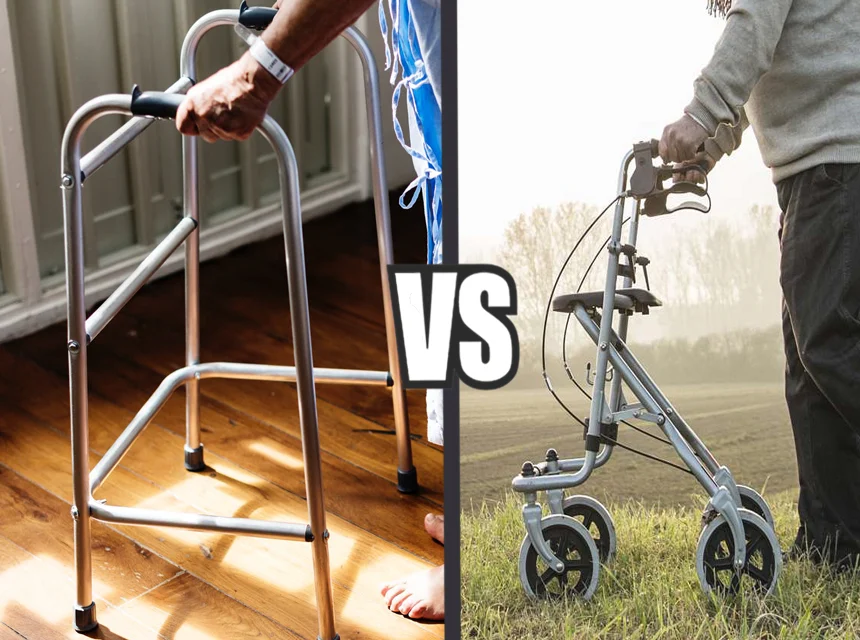
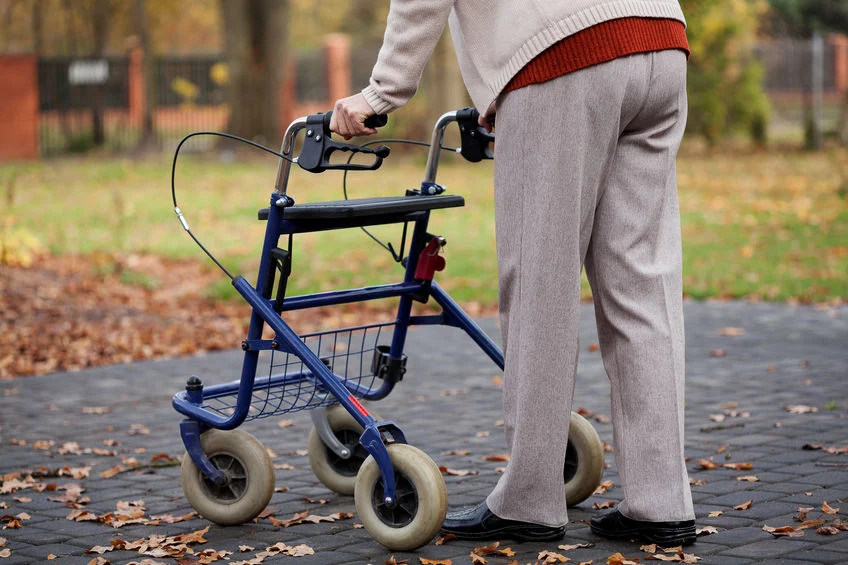
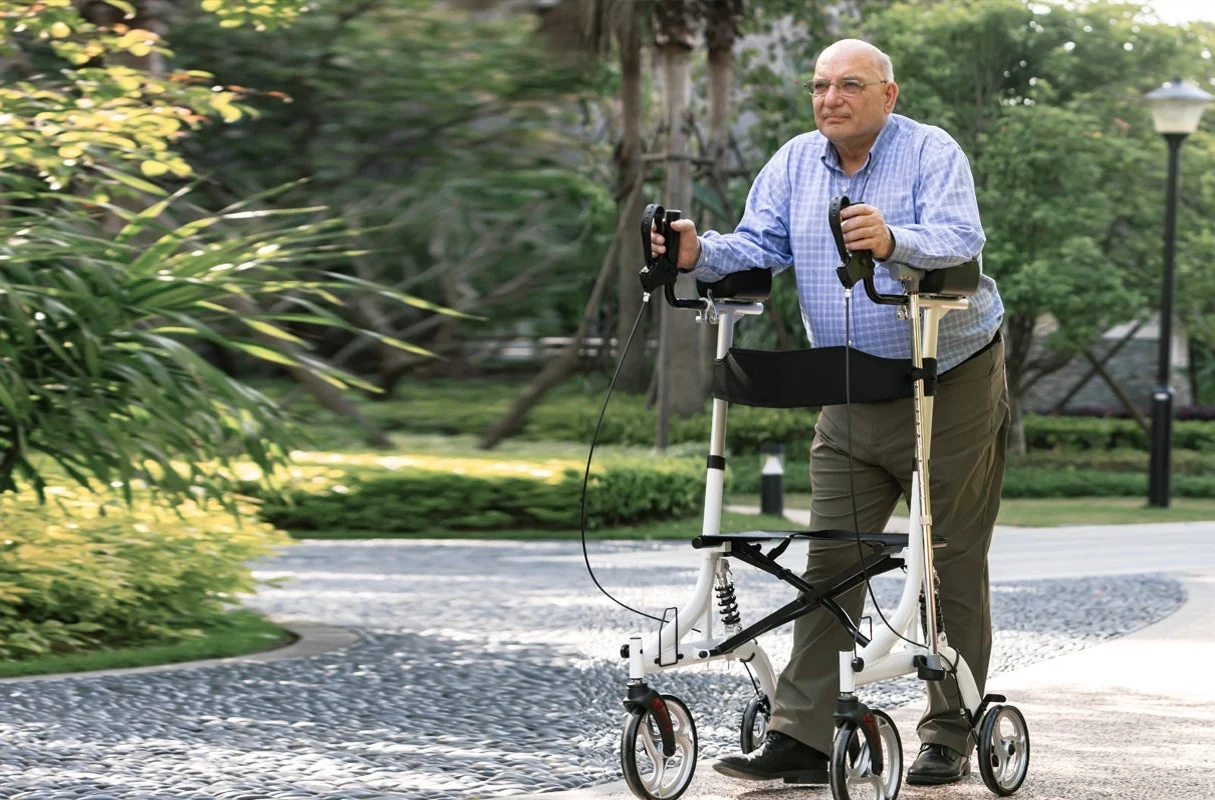
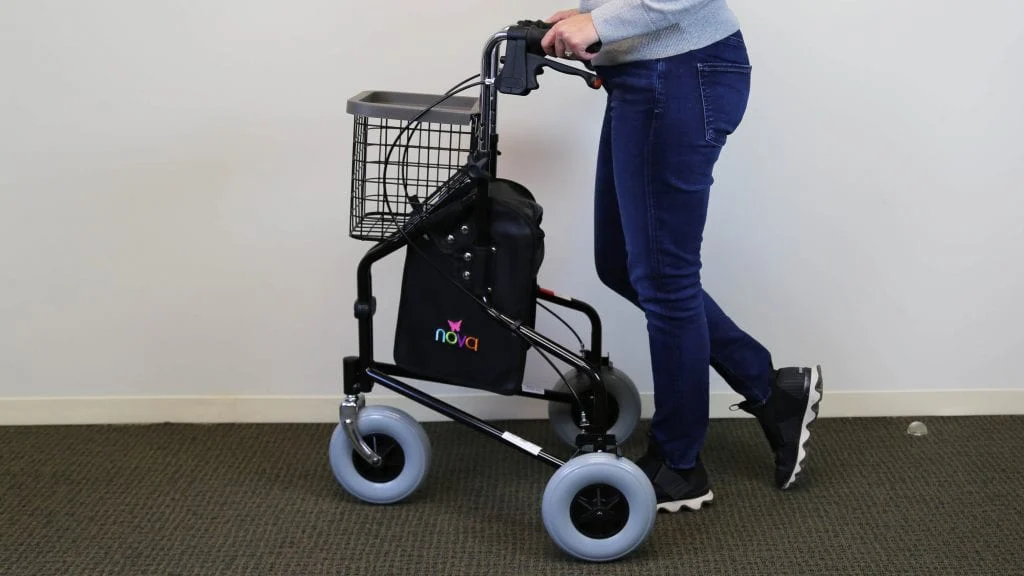
Different walker designs and contact points need different solutions. A standard walker may have four rubber tips, a two-wheel walker commonly has wheels at the front and glides or tips at the rear, and a rollator has wheels plus brakes. Use an accessory intended for the specific position rather than covering every contact point in the same material.
Start with cleaning and inspection
Tiny pieces of sand and grit are often more damaging than the walker itself. They can lodge in rubber tips, wheel tread, tennis-ball felt or the underside of a glide and then score the floor as the walker moves. Sweep or vacuum the walking route regularly and wipe each contact point with a slightly damp cloth, drying it before use.
Check that rubber tips have not worn through, plastic glides have no sharp edges or deep grooves, and fabric covers are clean and intact. Wheels should rotate freely without embedded stones or hardened dirt. If the walker moves differently after an accessory is fitted, stop using that setup until the fit and suitability have been checked.
Purpose-built ski glides and coasters
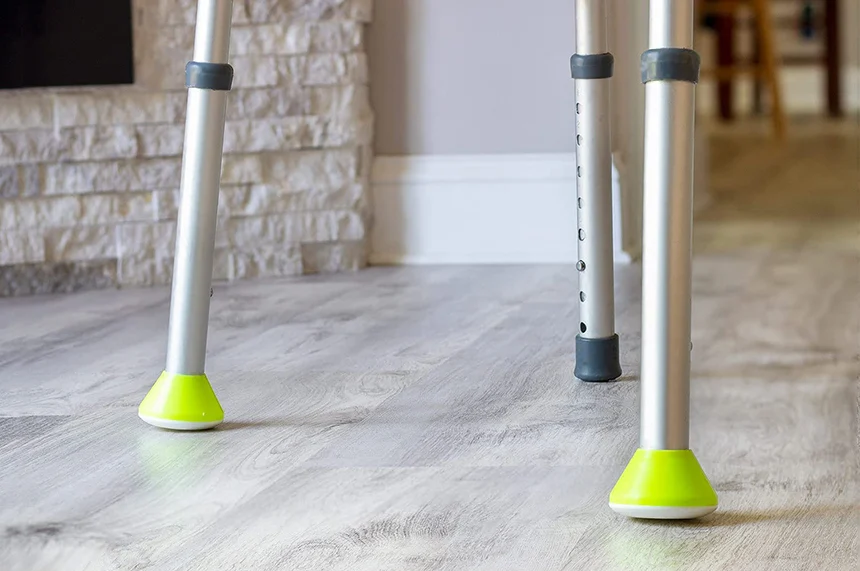
Ski glides are smooth, curved attachments most often fitted to the rear legs of a front-wheeled walker. Coasters perform a similar job with a compact, rounded base. Both help the rear legs travel across a hard floor without a rubber tip dragging against the finish.
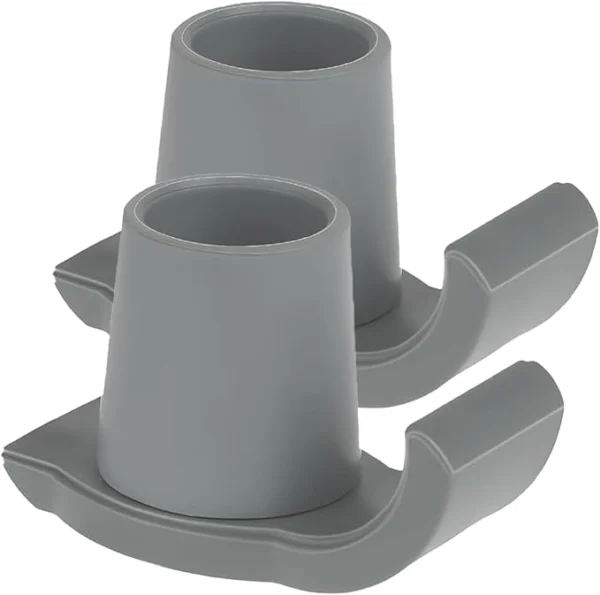
Check the walker manufacturer’s instructions and measure the tubing or existing tip before ordering. A universal claim on a product listing does not guarantee a secure fit. After installation, press and turn each attachment by hand, then test the walker with assistance in a clear area before normal use.
One existing example is a set of walker glide skis on Amazon. The product link is provided for convenience; compatibility and individual mobility needs should guide the choice.
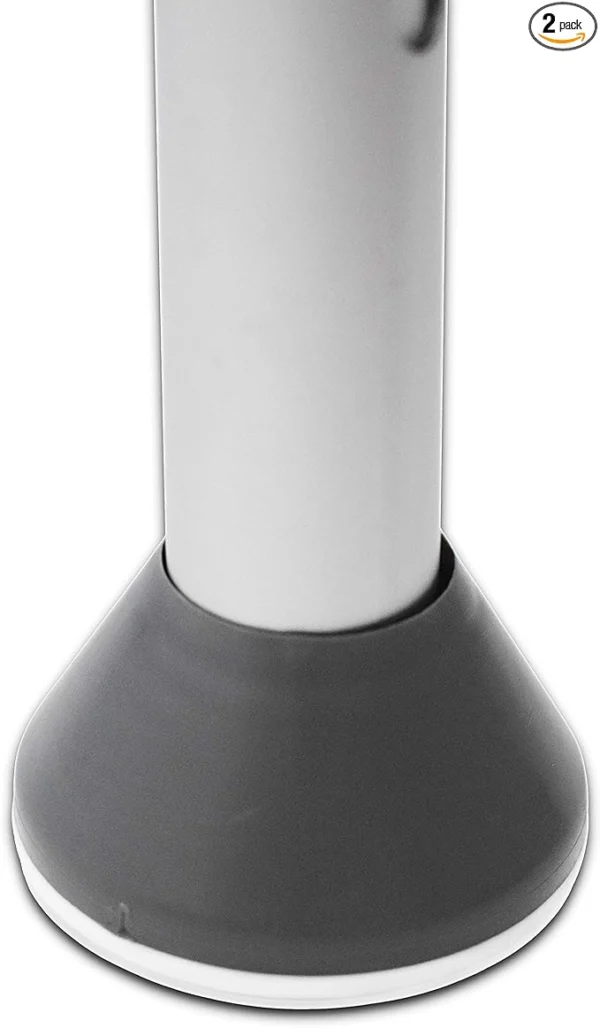
Compact walker coasters are another option where a full ski is not preferred. An existing example is this set of walker coasters on Amazon. Clean the bottom regularly and replace any coaster that cracks, loosens or develops rough edges.
Pre-cut tennis balls
Tennis balls are commonly used on the rear legs of a front-wheeled walker because their felt surface is quieter and gentler on wood than a worn rubber tip. They are inexpensive, but the fuzzy surface holds dust, hair and moisture. That trapped material can eventually mark a floor, so tennis balls need cleaning and replacement more often than hard plastic glides.
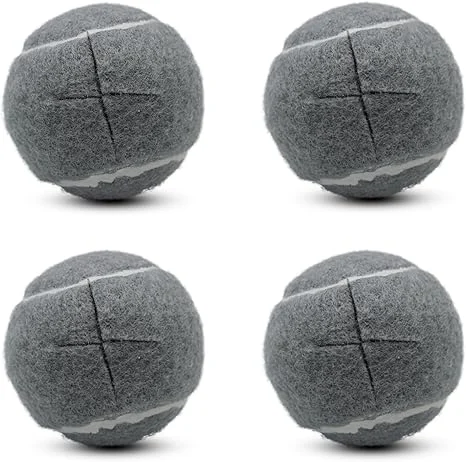
Choose pre-cut balls designed for walkers rather than cutting ordinary balls with a knife. The opening should grip the leg securely without tearing. This set of pre-cut walker tennis balls on Amazon is one existing example. Replace a ball if it rotates loosely, becomes wet, develops a hole or has worn through to a hard inner surface.
Fabric glide covers and walker socks
A fitted fabric cover can soften the contact between a plastic glide and a delicate indoor floor. It should be made for the glide, sit flat underneath and fasten firmly above it. Loose homemade socks, rubber bands and scraps of fabric can twist, catch or slide off, so they are not a dependable substitute for a correctly fitted product.
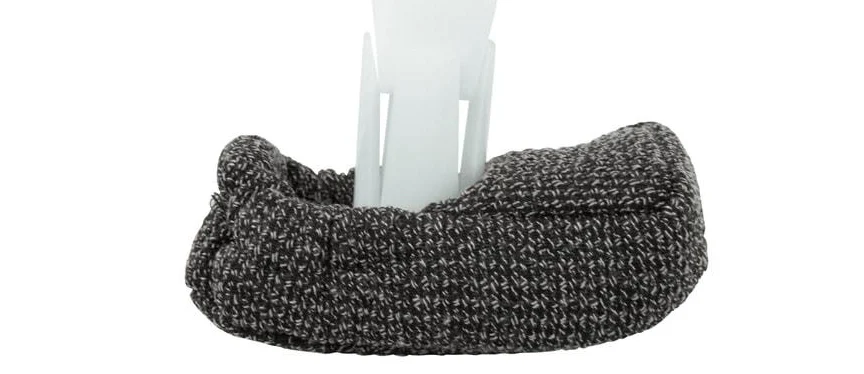
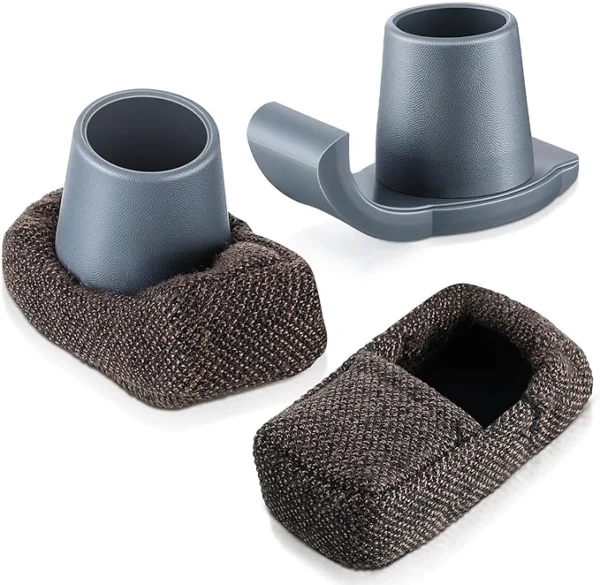
Wash fitted covers as directed and inspect the underside before every use. A cover with embedded grit or a thin spot no longer protects the floor. An existing option can be viewed as walker glide covers on Amazon, but confirm that the shape and fastening method match the walker’s glides.
Rubber tips and stick-on felt pads
Intact rubber tips provide grip, but worn rubber can harden, split or expose the metal tube. Replace damaged tips with the correct diameter and type specified for the walker. Do not add a glide to a leg that is intended to provide braking resistance unless the walker manufacturer or a mobility professional confirms that setup is appropriate.
Peel-and-stick furniture felt is designed for stationary furniture, not a mobility aid that is repeatedly loaded, lifted and turned. Adhesive pads can shift or detach and may leave the walker uneven. Purpose-built, mechanically secure walker accessories are the safer choice.
Protecting floors from wheeled walkers and rollators
Wheels usually mark hardwood when outdoor grit becomes embedded in the tread, a wheel stops rotating freely or a locked wheel is dragged sideways. Wipe the wheels at the door, remove visible debris and check for flat spots, cracks or rough edges. Do not wrap wheels in tape or fabric, because a covering can affect rolling and braking.
If a wheel is damaged or consistently leaves marks, use the replacement type approved for the model. Wheel size, axle fit, fork clearance and brake alignment all matter, especially on a rollator. A mobility-equipment supplier can help identify a compatible replacement.
Be cautious with rugs and runners
Adding an area rug solely to protect hardwood is usually a poor trade-off for someone using a walker. Loose rugs can slide, curl or catch a tip, glide or wheel. The National Institute on Aging advises against throw rugs and small area rugs, while the CDC’s home fall-prevention checklist says rugs should be removed or secured with non-slip backing or double-sided tape.
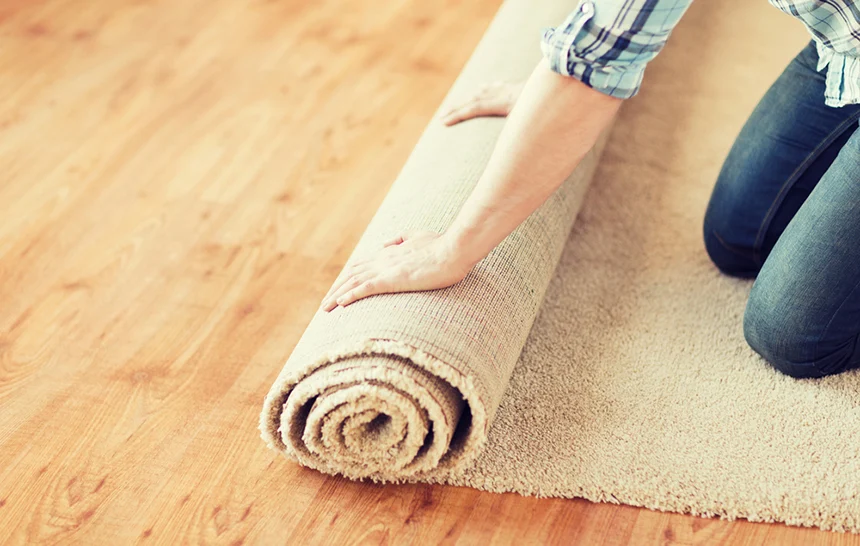
If an existing rug must remain, it should be low-profile, lie completely flat and be firmly secured without fringe or raised edges. Test whether the walker crosses it smoothly. Protecting the walker contact points is usually more effective than adding another surface transition to the walking route.
A simple maintenance routine
- After outdoor use: wipe wheels, tips, glides and covers before they touch the hardwood.
- Once a week: check every contact point for grit, cracks, thinning, loose fasteners and uneven wear.
- After any change: test the walker on a clear, level floor with assistance available.
- When wear appears: replace both matching rear glides or covers together so the walker remains level.
- If movement changes: stop and ask the manufacturer, mobility-equipment supplier, physical therapist or occupational therapist to check the setup.
A clear route also reduces sharp turns and sideways dragging. If a tray would reduce repeated trips or help keep both hands available when moving, see our guide to choosing a walker tray. In tight rooms and doorways, a properly sized aid is more important than any floor protector; our guide to narrow walkers for seniors explains the relevant dimensions.
Frequently asked questions
What can I put on a walker to protect hardwood floors?
Secure, correctly sized ski glides or coasters are the best general starting point for walker legs designed to glide. Pre-cut tennis balls and fitted glide covers can also protect indoor floors, but they need frequent cleaning and inspection. Never cover a contact point that is meant to provide grip or braking resistance without confirming the change is safe for that walker.
Are tennis balls safe for hardwood floors?
The felt is gentle on wood, but tennis balls collect grit and moisture and can change how easily the walker slides. Use pre-cut balls that fit securely, keep them indoors, inspect them often and replace them when dirty, wet, loose or worn.
Are ski glides better than tennis balls?
Purpose-built ski glides are generally easier to clean and may last longer. Tennis balls are softer and inexpensive but require more maintenance. The better choice is the compatible option that gives the individual predictable, stable movement on the surfaces they use.
Will walker wheels scratch hardwood?
Clean, undamaged wheels that rotate freely should not normally scratch a sound floor finish. Embedded grit, damaged tread and dragging a locked wheel are common causes of marks. Clean and inspect the wheels regularly, and use only compatible replacements.
Should I use a rug to protect the floor?
Do not add a loose rug for floor protection. It can create an edge for the walker to catch and increase fall risk. If an existing rug remains, it should be low-profile, completely flat and firmly secured, and the walker should cross it without catching or changing direction unexpectedly.