
Wheelchairs for Seniors
For many seniors, a wheelchair isn’t about giving something up, it’s about continuing daily routines with less pain, less fatigue, and more confidence.
Start With Your Typical Wheelchair Usage
We help you to work out what kind of wheelchair actually fits your situation, then point you to the most relevant in-depth guides.
Use the sections below to explore by need, environment, or daily use.
Wheelchairs for Specific Situations
Some mobility challenges require specialised support including:
After injury or surgery
→ Best Wheelchairs for a Broken LegFor limb loss or asymmetrical support
→ Wheelchairs for AmputeesAs an alternative to traditional wheelchairs
→ Best Alternatives to Wheelchairs
The common misconception is that a wheelchair is a one size fits all, but this is simply not true. Finding the right application for your need will ensure a much better quality of life.
Types of Wheelchairs for Seniors (And What They're Best At)
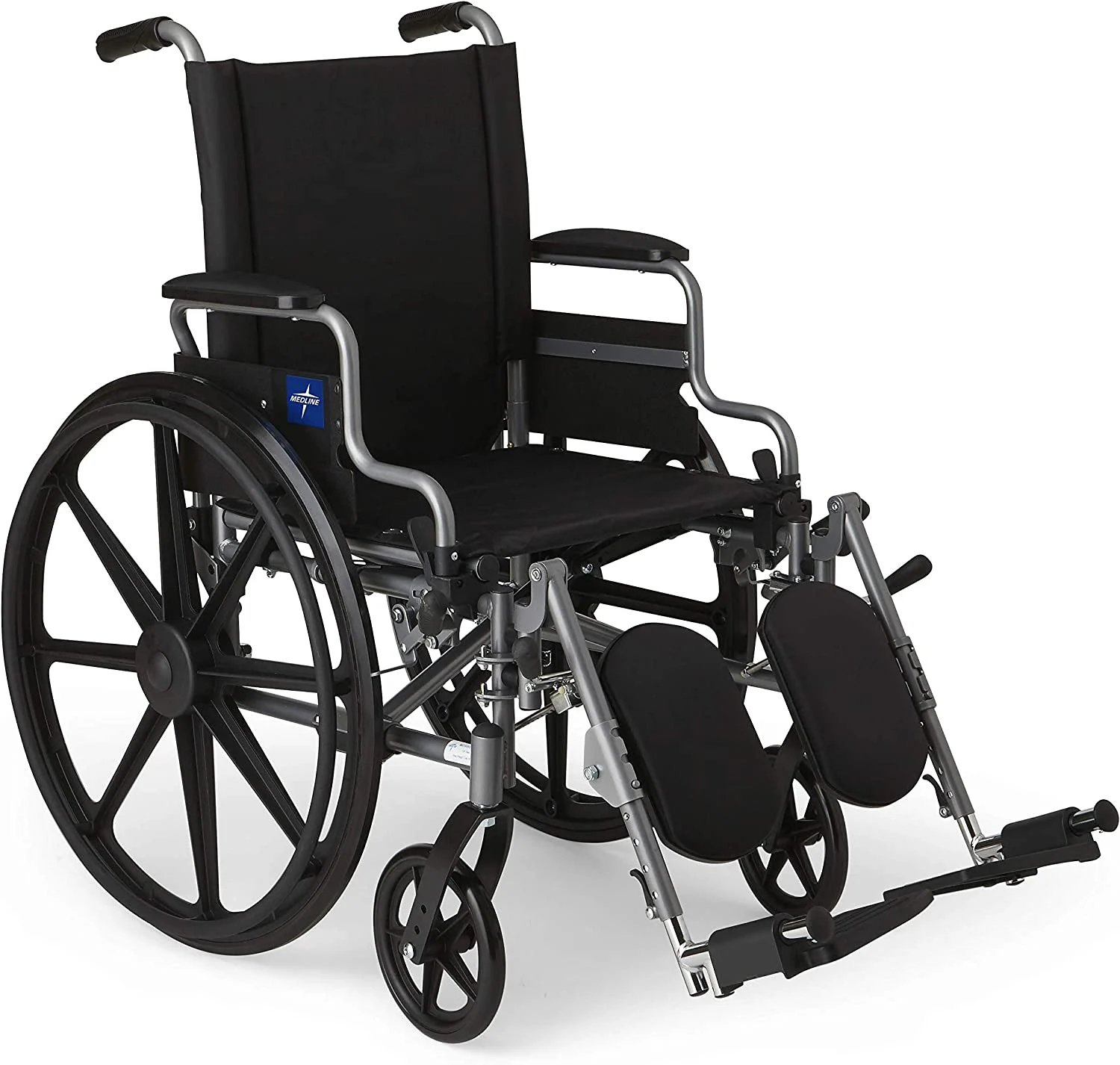
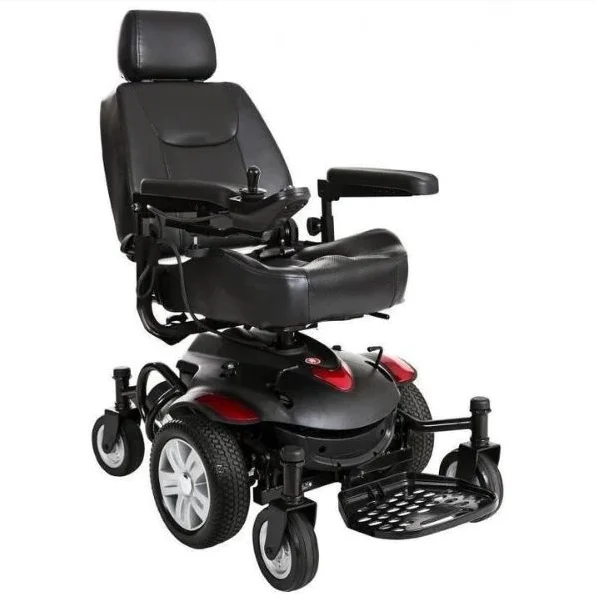
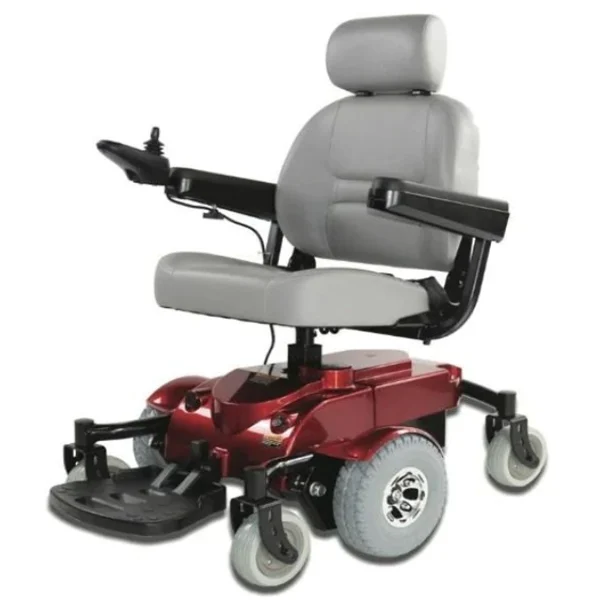
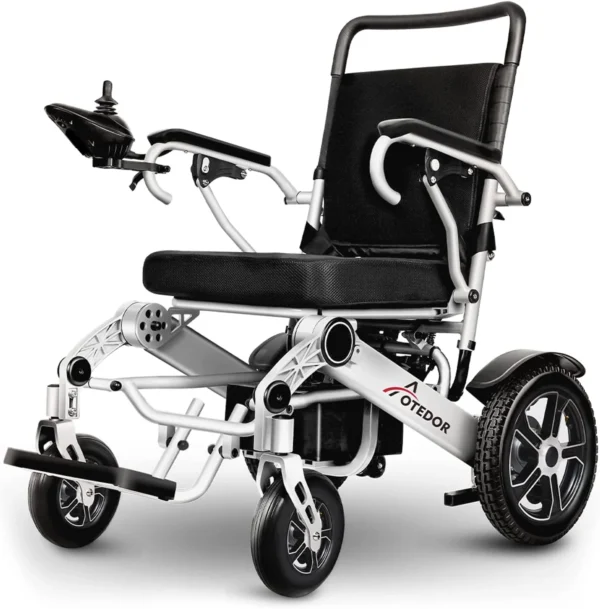
Wheelchairs vary far beyond “manual vs electric”. Each design solves a different problem. Choosing the right type reduces fatigue and makes daily movement more predictable.
Comfort, Accessories & Daily Living
Wheelchair comfort doesn’t stop at the frame. Accessories can dramatically improve sitting comfort, hand protection or transport and storage
The Right Fit For Your Needs
Wheelchair Size, Weight & Application
Wheelchair fit affects far more than comfort — it impacts safety, access, and independence.

Using a Wheelchair Day to Day
How SeniorFitness Evaluates Wheelchairs
Our recommendations are based on:
Our wheelchair content is based on:
Long-term comfort considerations
Real-world usability
Safety and durability patterns
Verified user experiences
We focus on helping seniors and caregivers choose wheelchairs that actually get used, not ones that look good on paper.
Who These Guides Are For
This guide is intended for:
Seniors navigating mobility changes
Family members and caregivers researching options
Buyers comparing wheelchair styles and use cases
It is not medical advice.
If a wheelchair is being chosen:
After a major fall
Following surgery
For advanced balance or neurological issues
A physical or occupational therapist can help confirm the safest option.
Our Best Whelchair Guides
Wheelchairs Resource Collection
Our Editorial Standards
SeniorFitness content is created using structured research, real-world usability considerations, and safety-first evaluation criteria.
Learn more about our Editorial Policy and how we apply our Product Review Methodology when assessing mobility and senior safety equipment.