
Mobility Scooters for Seniors
Mobility scooters help seniors stay active beyond the home, whether that means shopping independently, enjoying outdoor paths, or reducing fatigue on longer outings. The right scooter depends on where you’ll use it, how far you’ll travel, and how easily it fits into daily life.
We help you understand which type of mobility scooter actually suits your needs, before comparing models or prices.
Types of Mobility Scooters for Seniors
Mobility scooters are often grouped together, but each type solves a very different mobility problem. Understanding these differences helps avoid buying a scooter that’s too heavy, too limited, or impractical to use.
Choosing the Right Mobility Scooter
Indoor vs Outdoor Use
Indoor → smaller turning radius, lighter frame
Outdoor → wheel size, suspension, stability matter more
Transport & Storage
Consider:
Can it fit in your car?
Does it fold or disassemble?
Can you lift the heaviest part safely?
These are not toys or nice to have luxuries, this is a necessary tool that a senior can use to maintain their independence for longer.
Types of Mobility Scooters for Seniors
Mobility scooters may look similar at a glance, but the way they perform in daily life varies widely. Factors like wheel configuration, weight, and frame design determine whether a scooter feels easy and supportive or frustrating and restrictive.
Mobility Scooters vs Other Mobility Aids
Mobility scooters are not a replacement for walkers or wheelchairs in every situation.
Scooters work best when:
Walking long distances causes fatigue or pain
Standing balance is adequate while seated
Outdoor independence is the priority
In many cases, seniors use multiple aids — a walker indoors and a scooter outdoors.
Mobility Scooter Issues
Common Mobility Scooter Problems (and What to Check)
Some issues are avoidable with the right setup including; Battery charging habits, Storage temperature & Tyre maintenance
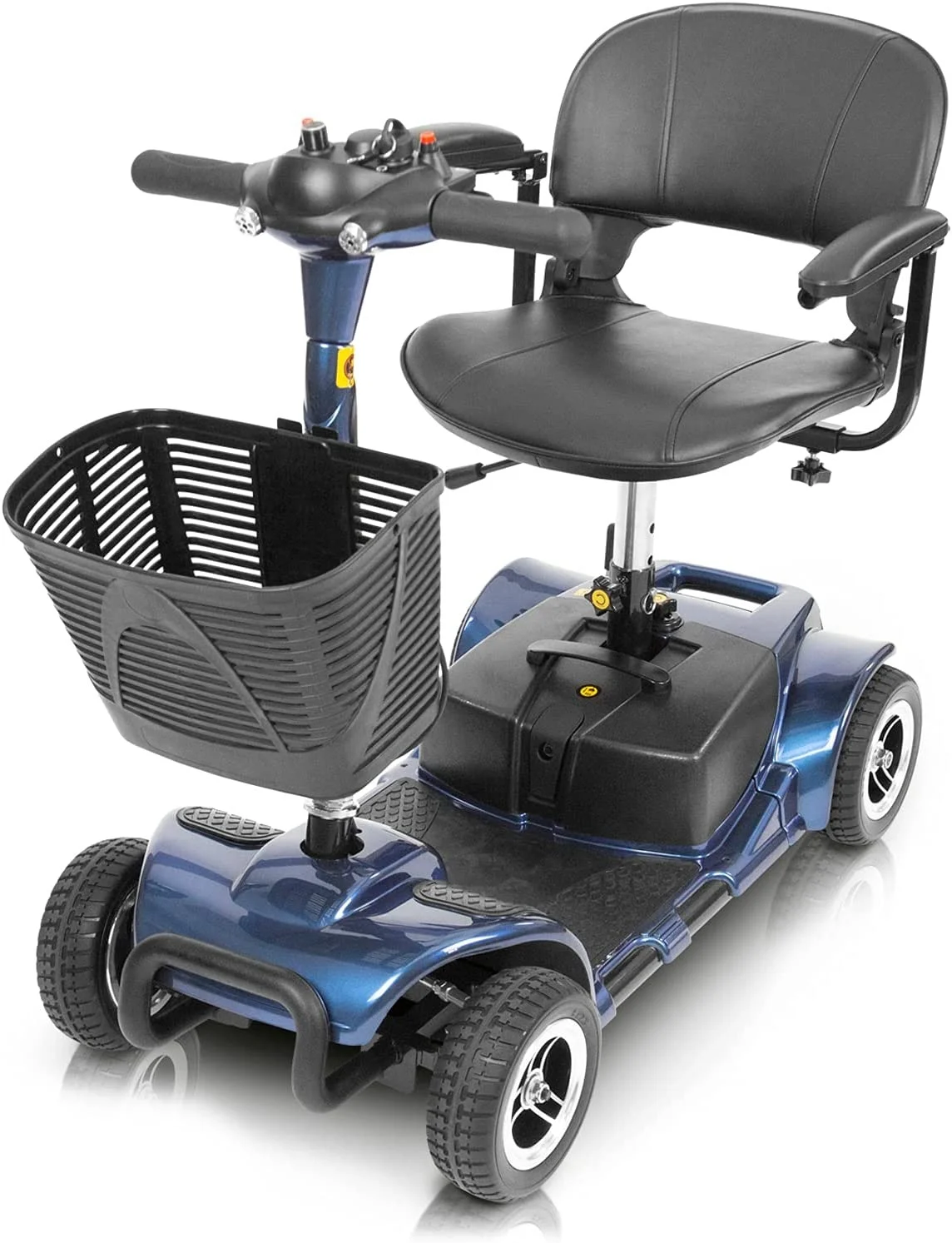
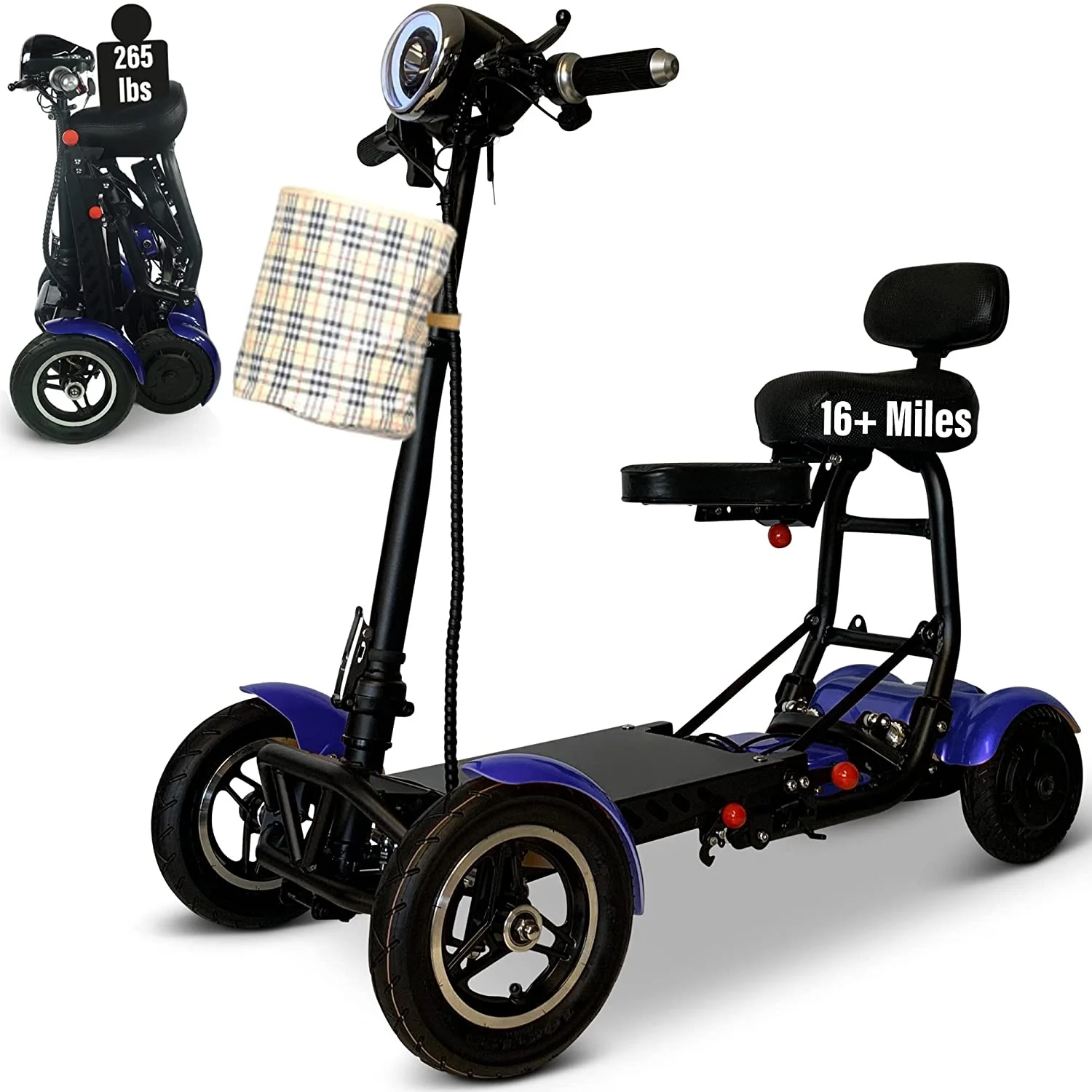
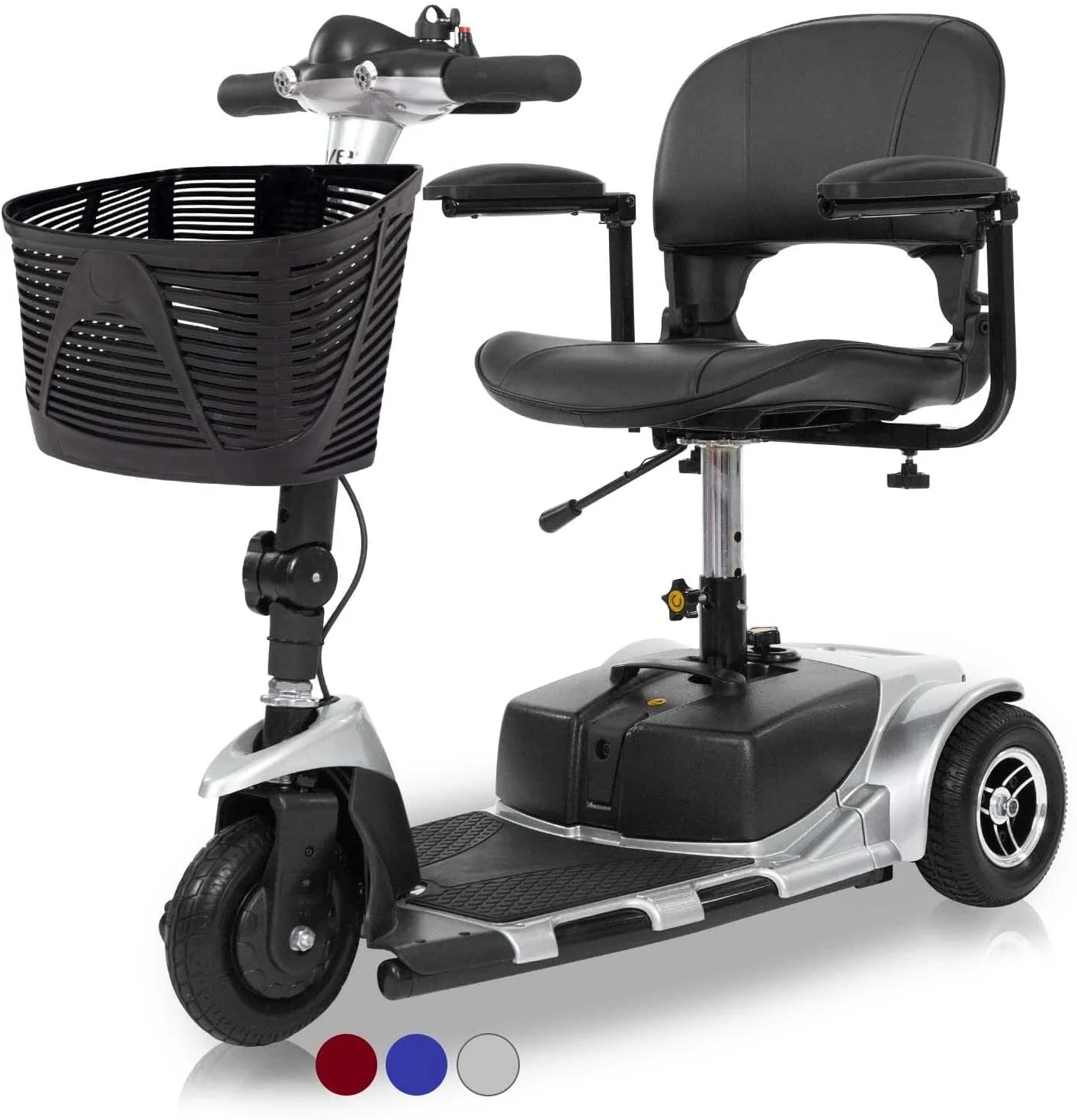
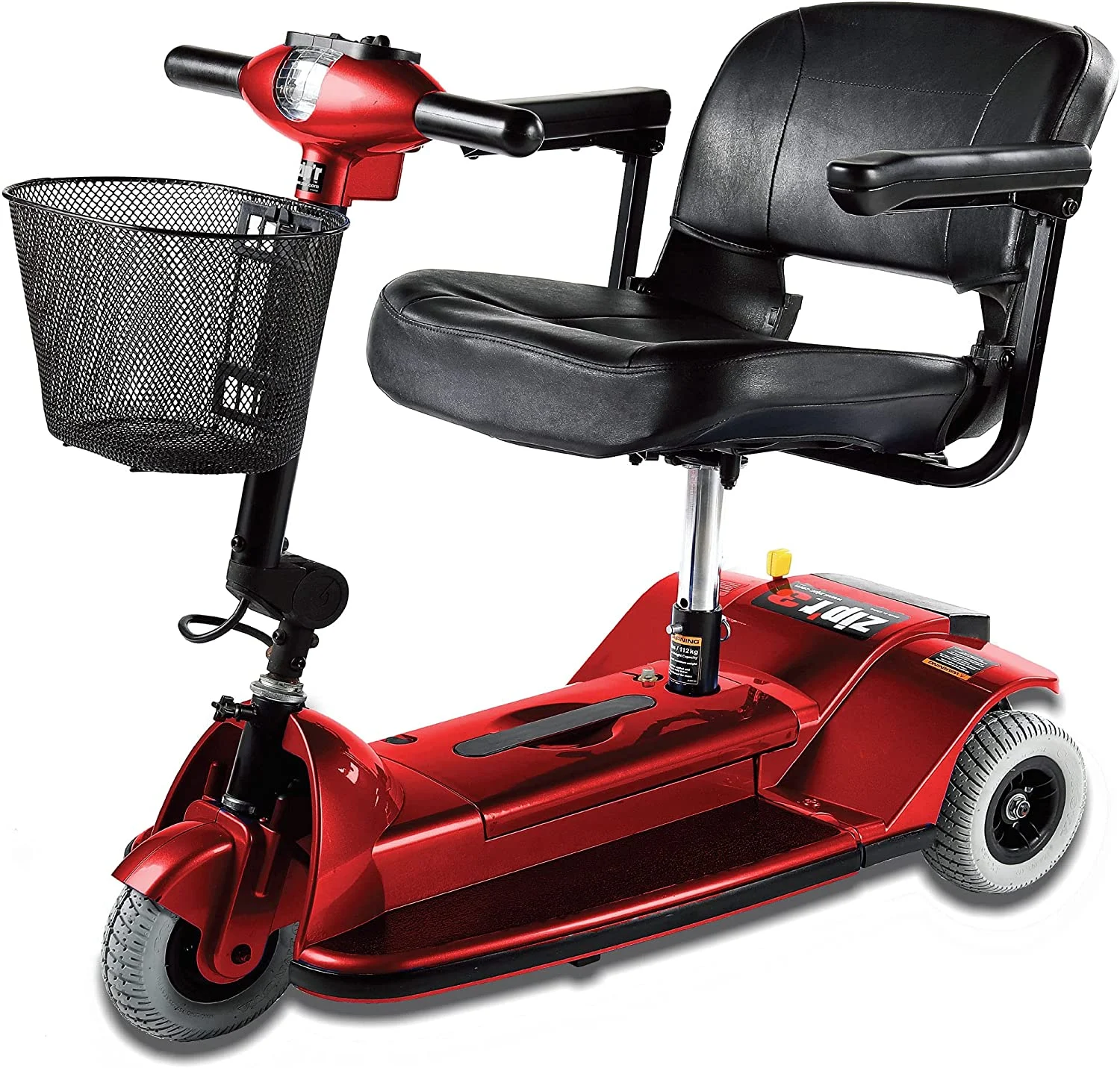
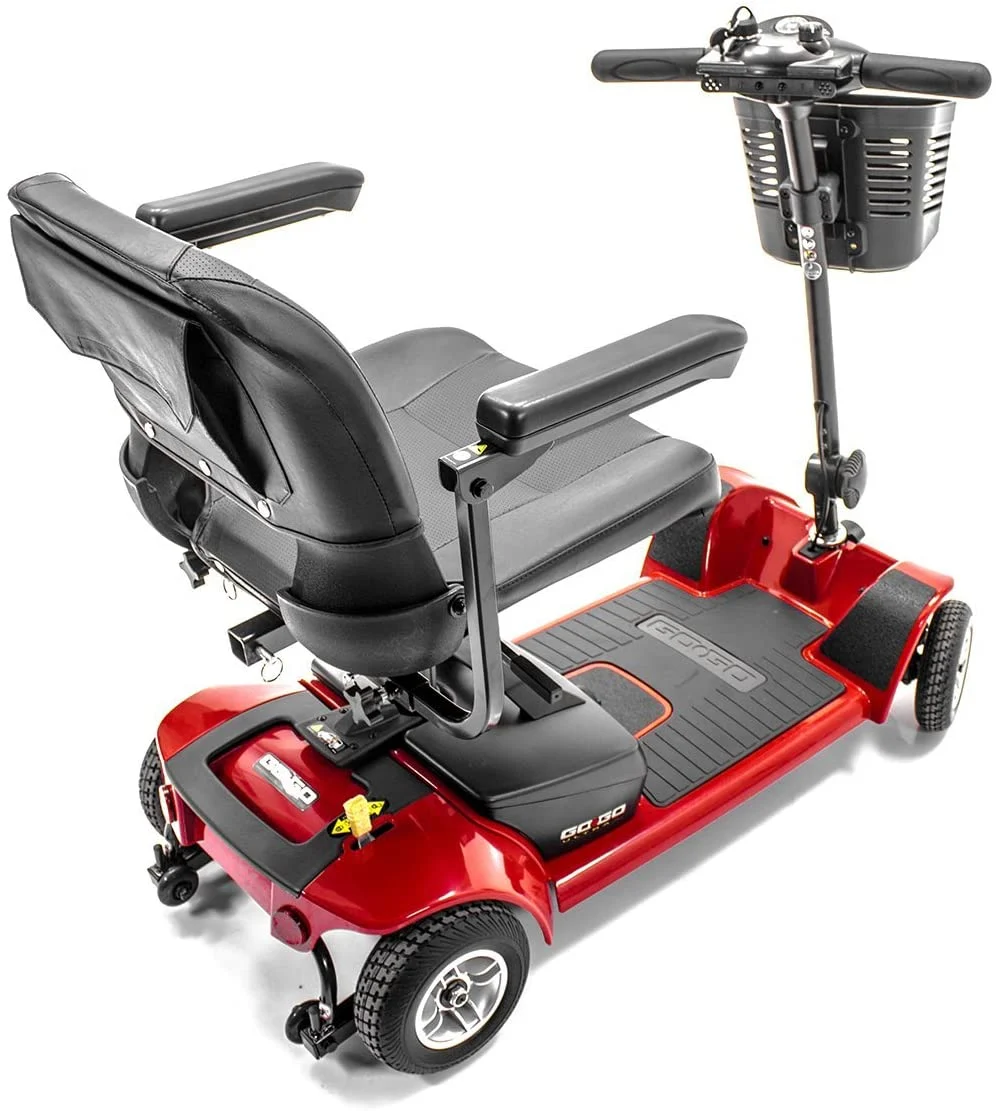
New Mobility Scooters for Seniors (What’s Changed Recently)
Modern mobility scooters are improving in:
How SeniorFitness Evaluates Mobility Scooters
We assess scooters based on:
- Stability and ride comfort
Battery reliability
Ease of transport
Long-term usability for seniors
We focus on practical ownership, not just specs.
Who These Guides are For
This guide is for:
Seniors exploring scooter options
Caregivers comparing mobility solutions
Families supporting outdoor independence
It is not medical advice.
If a scooter is needed after surgery, a fall, or for neurological conditions, consult a professional.
Mobility Scooter Resource Collection
Our Editorial Standards
SeniorFitness content is created using structured research, real-world usability considerations, and safety-first evaluation criteria.
Learn more about our Editorial Policy and how we apply our Product Review Methodology when assessing mobility and senior safety equipment.