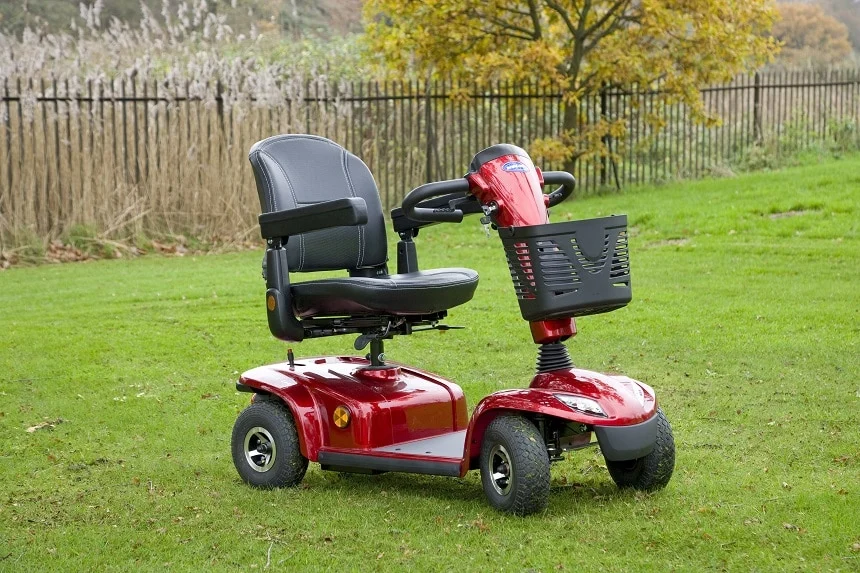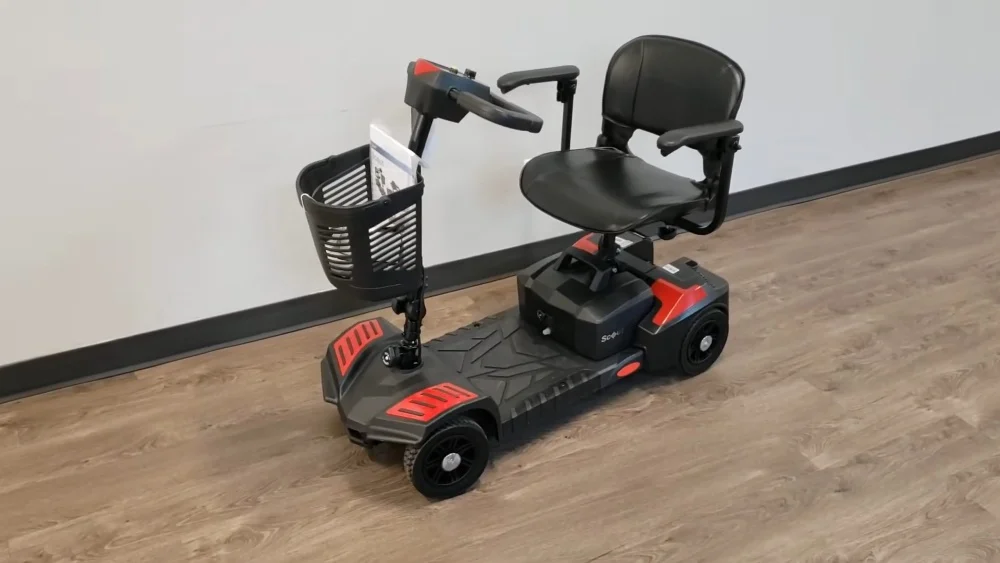
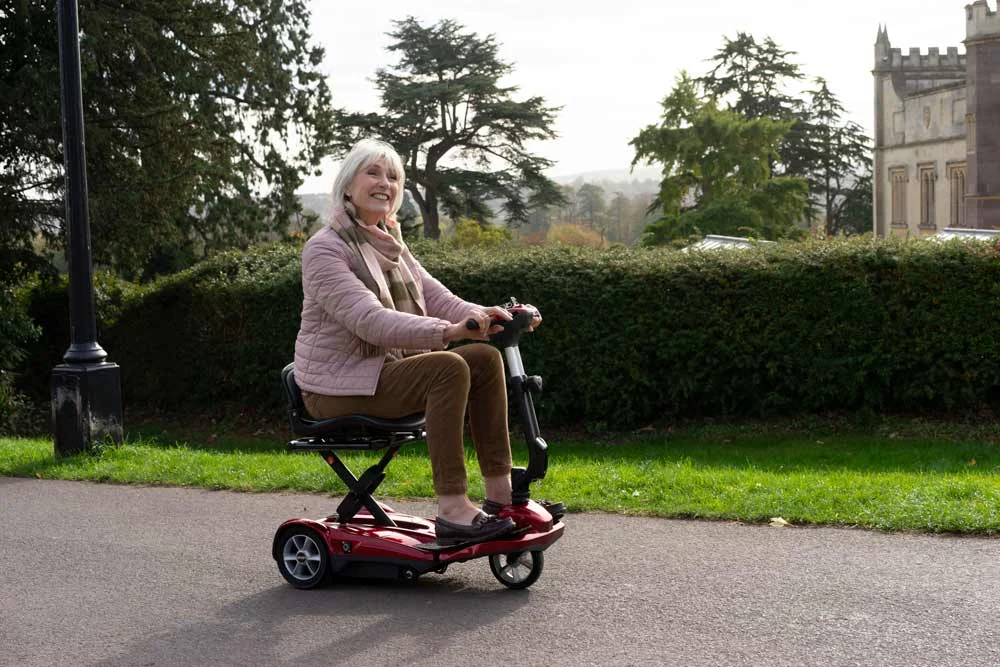
A mobility scooter may be rated to travel anywhere from about 7 miles to more than 30 miles on one charge, depending on the model and battery configuration. For example, current Golden Technologies specifications range from 7.4 miles for the Buzzaround LT 4-Wheel to 34 miles for the Eagle All-Terrain with its specified 75 Ah batteries.
Those are manufacturer operating-range figures, not guaranteed journey distances. Hills, grass or gravel, cold weather, headwinds, stop-start driving, low pneumatic-tire pressure, rider and cargo weight, and battery age can all reduce the distance available. Begin with the specification for the exact scooter and battery, then keep a sensible reserve for the return trip. Our guide to mobility scooters for seniors explains how range fits alongside portability, stability, comfort and intended use.
By Ray Butcher Senior Fitness Editor
SeniorFitness is reader-supported. We may earn a commission through products purchased using links on this page. Learn more in our affiliate disclosure.
Mobility Scooter Range at a Glance
| Current scooter example | Manufacturer operating range | What it illustrates |
|---|---|---|
| Golden Buzzaround LT 4-Wheel | 7.4 miles | A compact scooter can trade battery capacity for portability. |
| Golden LiteRider 4-Wheel | 12.5 miles | Models that look similar can have meaningfully different range. |
| Golden Buzzaround EX 4-Wheel | 18 miles | A transportable scooter may offer an extended battery setup. |
| Golden Eagle | 23 miles | Larger outdoor-oriented models can carry more battery capacity. |
| Golden Eagle All-Terrain | 34 miles with specified 75 Ah batteries | The battery configuration is part of the range claim. |
These figures are useful examples, not category rules. Manufacturers can revise products, and optional batteries may change both distance and transport weight. Compare the model number, battery specification and current product sheet before making a decision.
Why Advertised Range and Real Range Differ
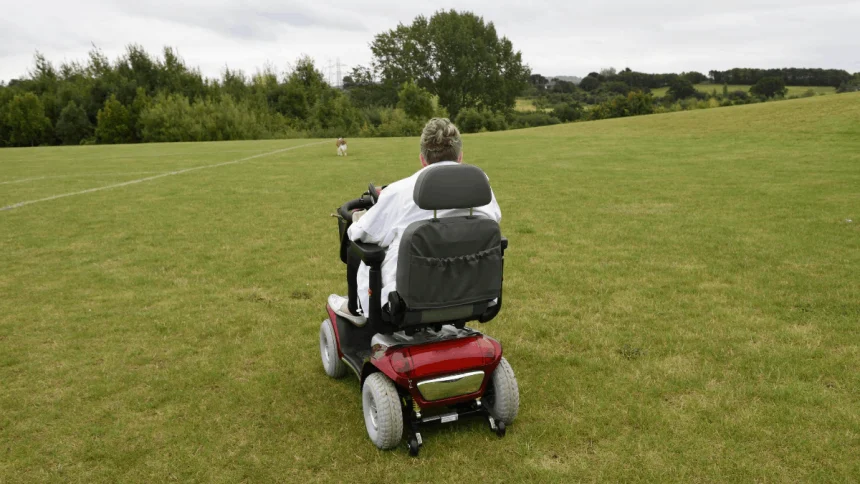
Range testing is normally performed under defined conditions that are more consistent than everyday travel. Pride Mobility notes that smooth, flat, hard surfaces without wind or curves are uncommon in normal use. The same manual identifies hills, damaged or soft surfaces, wind, tire pressure, baggage weight, speed changes and electrical connections as factors that can alter range.
That does not make the published figure meaningless. It gives you a common starting point for comparing scooters. The mistake is treating the maximum as the distance available in every situation—or using the entire rating for the outward journey without allowing for the return.
The Biggest Factors Affecting Travel Distance
Battery capacity and condition
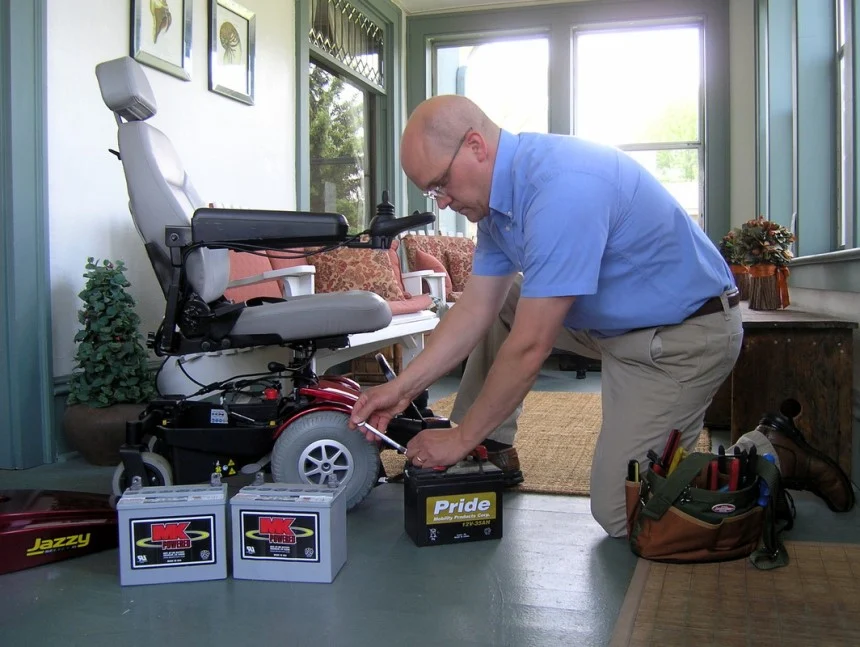
A higher amp-hour capacity can store more energy when the battery and scooter are designed to work together. As batteries age, their usable capacity gradually falls, so a scooter may complete fewer miles even though its display reaches full after charging. Our guide to mobility scooter battery life explains the signs that replacement may be approaching.
Terrain and gradients
Climbing a hill requires more energy than travelling the same distance on level pavement. Grass, gravel, sand, carpet, broken surfaces and curb transitions increase rolling resistance. Descending later does not fully recover the energy used on the climb, so a hilly round trip needs more reserve than a flat one.
Rider and cargo weight
The combined weight of the rider, shopping, oxygen equipment and accessories affects energy demand. Stay within the scooter’s stated weight capacity; exceeding it can affect handling, braking, stability and component life as well as range.
Tires and mechanical condition
For pneumatic tires, maintain the pressure stated on the tire or in the manual without exceeding it. Low pressure increases resistance. Brake drag, damaged bearings, poor connections or misalignment can also waste energy and should be checked by an authorised provider.
Temperature and weather
Cold conditions can temporarily reduce available battery performance and increase charging time, while prolonged extreme heat can shorten battery service life. A headwind also adds resistance. Build extra margin into trips during temperature extremes or exposed outdoor travel.
Speed and stopping
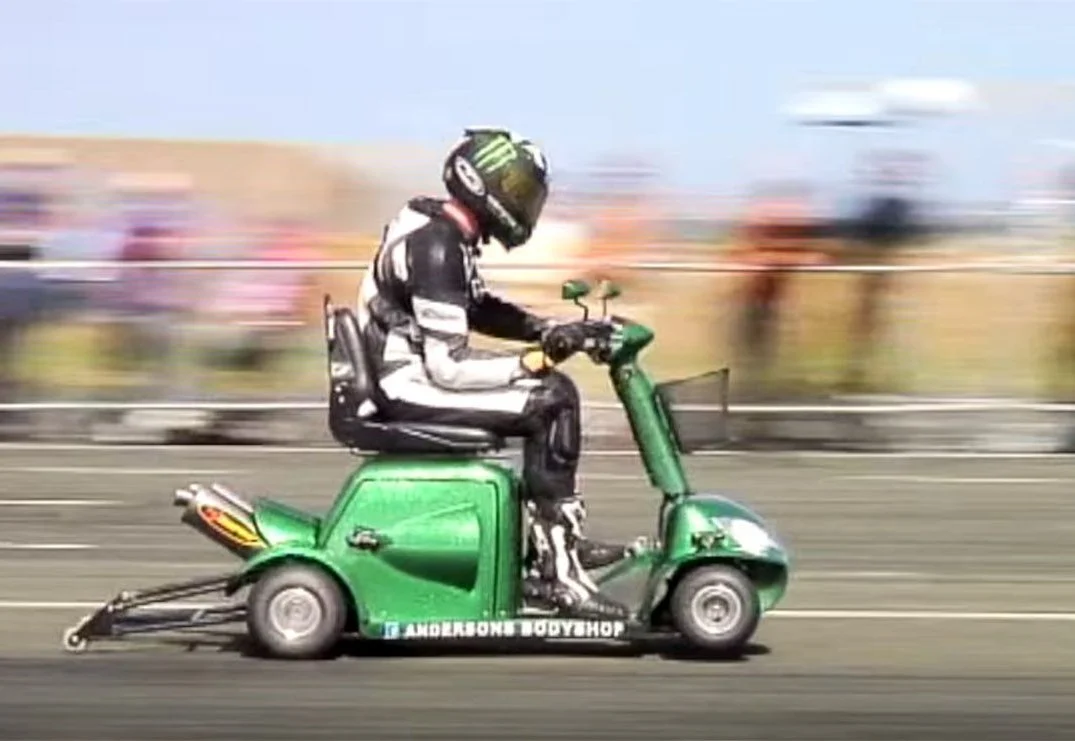
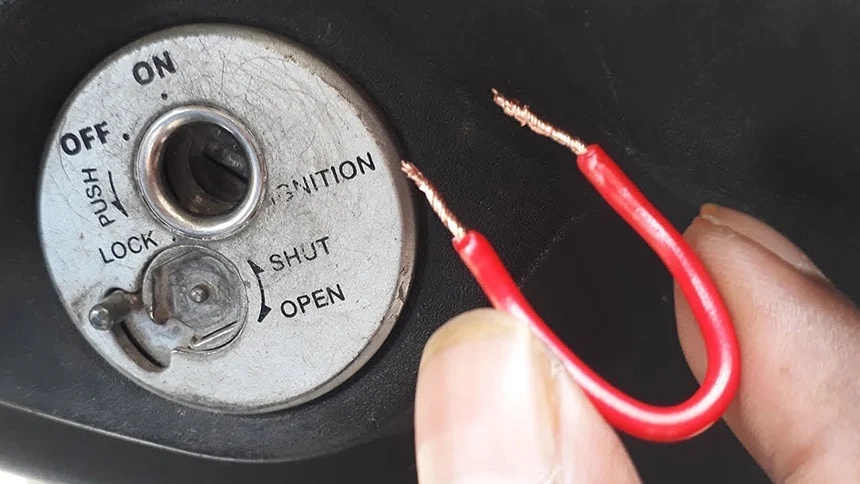
Frequent acceleration and stop-start driving usually consume more energy than maintaining a steady, appropriate pace. Avoid trying to extend a trip by altering the speed controller or other electrical components. If the scooter feels slower or weaker than usual, use the checks in our guide to restoring normal scooter performance safely.
How to Plan a Trip Without Running Out of Charge
- Find the exact range specification. Confirm the model, battery pack and whether the figure applies to the standard or optional configuration.
- Measure the full journey. Include the outward and return legs, detours within the destination and any distance from parking or public transport.
- Account for difficult conditions. Hills, soft ground, cold weather, wind, heavy shopping and an ageing battery all justify a larger reserve.
- Start fully charged. Use the manufacturer-approved charger and the charging schedule in the scooter and charger manuals.
- Watch performance, not only the gauge. Battery meters are approximate. Learn how the indicator behaves on familiar routes and turn back early if it falls faster than expected.
- Have a backup plan. Carry a phone, emergency contact details and the scooter model and dealer information. Know how you and the scooter can be collected if necessary.
For an unfamiliar journey, test a shorter version in safe conditions before relying on the full distance. Never deliberately run the battery flat to discover its limit.
Can You Safely Increase a Scooter’s Range?
You can often recover some lost real-world range through maintenance and planning: fully charge the correct batteries, maintain tire pressure, carry only necessary items, choose firmer and flatter routes where practical, use a steady speed and have faults such as brake drag investigated.
A higher-capacity battery should be fitted only when the manufacturer lists it as an approved option for that exact scooter. Do not add loose batteries, change voltage, combine different batteries or assume that a pack fitting the compartment makes it electrically compatible. Extra battery weight can also change portability and loading requirements.
If the approved range is consistently too short for the intended trips, selecting a scooter designed for that distance is safer than modifying the current machine. Compare battery capacity together with terrain capability, ground clearance, ride comfort and service support in our guide to outdoor mobility scooters.
Two Scooter Examples to Compare Carefully
The Golden Technologies Buzzaround EX Extreme Travel Scooter is a current model family. Golden lists an operating range of 18 miles for the four-wheel GB148, using its specified 2-U1 battery arrangement. Check whether the Amazon listing is the same three- or four-wheel variant and confirm its current battery specification before relying on that figure.
The Drive Medical Phoenix HD4 four-wheel scooter is another model readers may encounter when comparing larger scooters. Confirm the listing’s exact model, battery configuration and current manufacturer documentation rather than transferring a range figure from another Phoenix version or an older seller description.
Product range is only one selection criterion. Seat fit, controls, turning space, stability, transport weight, local servicing and the rider’s ability to transfer and operate the scooter safely also matter. Readers prioritising vehicle transport can compare these folding mobility scooter options, remembering that smaller batteries may mean a shorter range.
Mobility Scooter Range FAQs
Can I rely on the advertised mobility scooter range?
Use it as a comparison starting point, not a guaranteed journey distance. Confirm the exact battery configuration and allow for terrain, weather, load, tire pressure, riding style and battery age.
Does a bigger battery always increase range?
Only use a higher-capacity battery when the scooter manufacturer approves it for the exact model. Voltage, chemistry, charger, connectors, physical size and added weight all matter; an incompatible battery can damage the scooter or create a safety risk.
Why has my mobility scooter’s range suddenly dropped?
Possible causes include an incomplete charge, ageing or faulty batteries, cold weather, low tire pressure, extra load, a more demanding route, brake or wheel drag, poor electrical connections or a charger fault. Compare performance on a familiar route and arrange a battery load test or service if the change persists.
How much range should I keep in reserve?
There is no single percentage suitable for every scooter and journey. Keep enough margin for the return leg, detours and worse-than-expected conditions, and use a larger reserve with an older battery or an unfamiliar route.
The Bottom Line
Current scooters can span from short local-trip ranges to more than 30 miles per charge, but the exact model and battery specification are what count. Treat the published maximum as a benchmark, reduce it for real-world conditions and keep a return reserve. If the scooter no longer approaches its familiar range, investigate charging, batteries, tires and mechanical condition before planning longer trips.