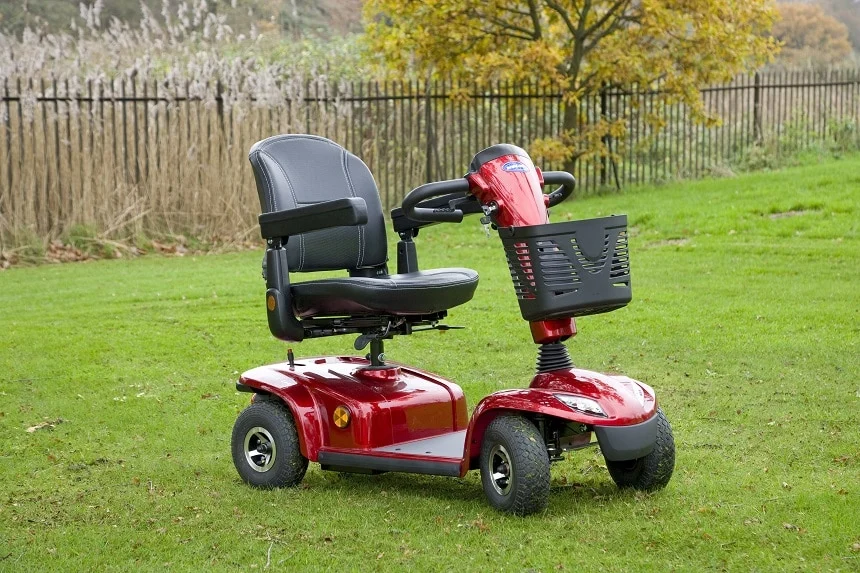
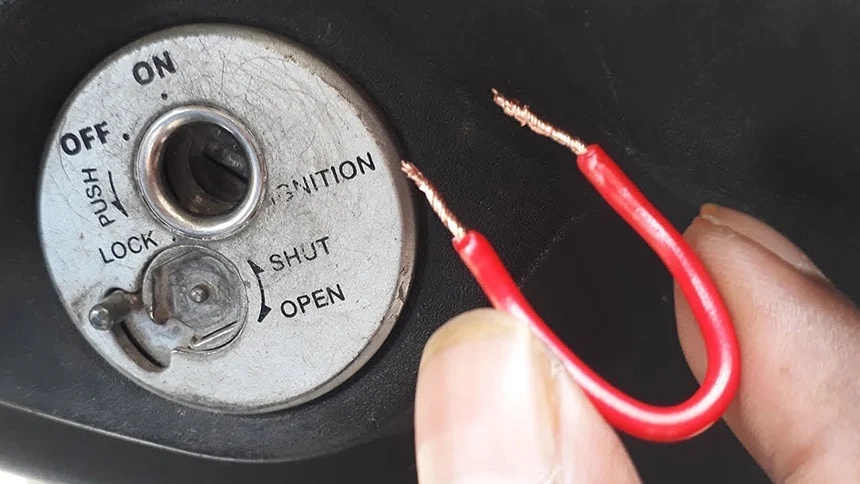
If your mobility scooter key is lost, the safest answer is not to bypass the ignition. Check for a spare, identify the scooter’s exact make and model, and contact the manufacturer or an authorised mobility dealer for the correct replacement. A screwdriver, improvised key switch or exposed wiring can damage the controls, defeat security features and create an electrical or movement hazard.
If the scooter is stranded, arrange help or move it only as the owner’s manual permits. Freewheel mode may allow an unoccupied scooter to be pushed a short distance, but it also disengages the drive and braking system. Our guide to mobility scooters for seniors explains the main scooter controls and ownership considerations.
By Ray Butcher Senior Fitness Editor
What to Do When Your Mobility Scooter Key Is Lost
Start with the least invasive options. The steps below protect the scooter and give the dealer or manufacturer the information needed to identify the correct key or ignition component.
- Check for a spare. Look with the scooter’s manual, charger, purchase paperwork, travel bag and the person who supplied or services the scooter. Avoid testing keys from unrelated equipment.
- Record the scooter details. Note the brand, model, serial number and dealer. The serial-number label may be on the frame, under or behind the seat, near the battery compartment or in another model-specific location. Use the manual rather than dismantling panels to find it.
- Contact the original dealer or manufacturer. Ask whether the model uses a standard replacement key, a key identified by a code, or a complete manufacturer-approved ignition switch. Be ready to provide proof of ownership if requested.
- Ask an authorised service provider if time matters. A local mobility-equipment dealer may be able to identify the part, order it and check the ignition for damage.
- Use a locksmith only after confirming the model and ownership. Some locksmiths can duplicate an existing key or work from an approved key code. Do not ask anyone to force the barrel or bypass the scooter’s electrical system.
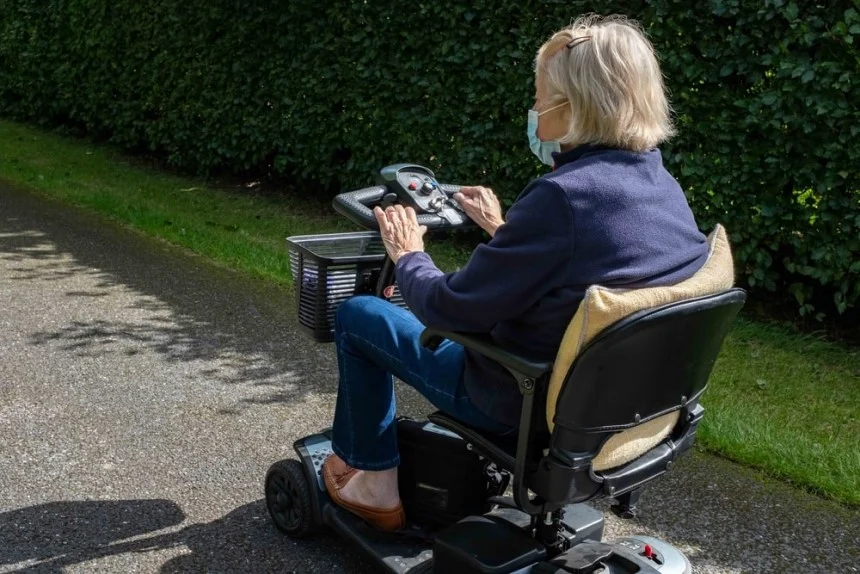
If the Scooter Is Stranded Away From Home
Keep the rider somewhere safe and do not leave them standing unsupported while the scooter is dealt with. If the scooter is obstructing a walkway or exposed to traffic, call a family member, the venue, a mobility dealer, roadside-assistance provider or accessible transport service.
Many scooters have a manual freewheel lever that allows the machine to be pushed without motor power. This is not a substitute for the key and it must be used exactly as the model’s manual describes. On Pride’s mid-size scooter guidance, the key is removed before changing modes, no one sits on the scooter in freewheel, and the scooter is kept on level ground because the braking system is disengaged.
- Read the model-specific manual before touching the freewheel lever.
- Move an unoccupied scooter only on firm, level ground.
- Stand beside the scooter and keep control of it while pushing.
- Return the lever to drive mode so the brakes are engaged before anyone sits on the scooter.
- Use suitable loading equipment and transport restraints if the scooter must be taken away.
Do not try to push a scooter down a ramp or slope in freewheel. If you cannot move it without losing control, wait for trained assistance.
Why You Should Not Hot-Wire a Mobility Scooter
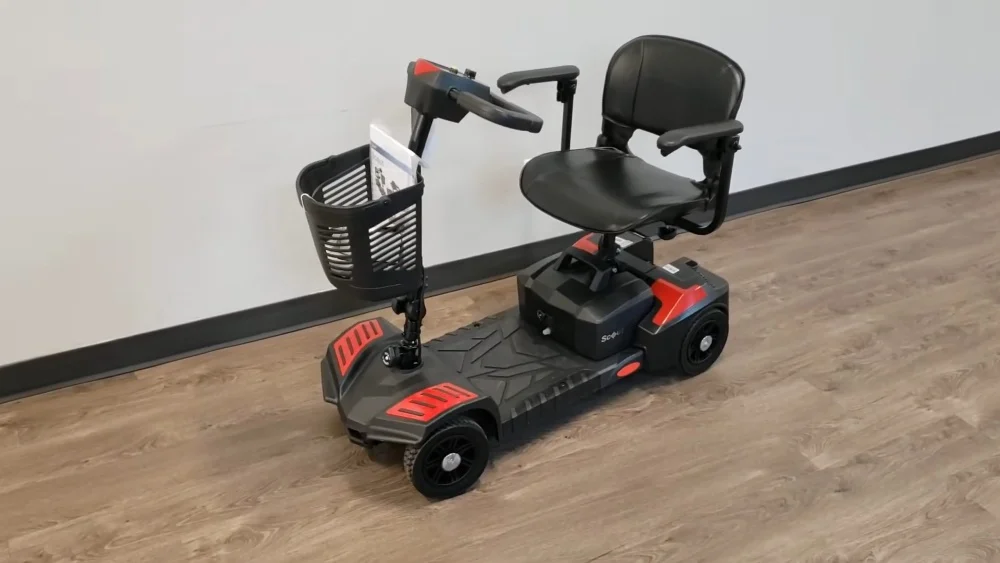
A mobility scooter is an electrically powered mobility device, not a simple ignition circuit that should be improvised at the roadside. The tiller can contain the key switch, throttle controls, speed control, battery display and protective circuitry. Wire colours and layouts vary between manufacturers and models, so generic instructions based on particular colours are unreliable.
Do not force the keyway with a screwdriver, remove the tiller cover, strip wires, bridge terminals or install an unrelated “universal” switch. These actions may cause a short circuit, damage the controller, disable protective functions, start unexpected movement or make theft easier. They may also affect the warranty or increase the final repair cost.
Rubber gloves do not turn unapproved electrical work into a safe repair. If the ignition switch itself has failed, isolate the scooter as directed in its manual and have an authorised technician diagnose it.
Information Needed for a Replacement Key
The supplier may ask for several details before identifying or ordering a replacement. Gather what you can without opening the scooter:
- manufacturer and exact model name;
- serial number and, if present, the key or ignition code;
- purchase receipt, invoice or dealer record;
- a clear photograph of the scooter and key switch; and
- the owner’s contact details and proof of ownership if requested.
Do not assume that another scooter key is compatible simply because it fits the opening. The dealer should confirm the correct key or switch for the specific model. If a complete ignition assembly is required, have it supplied and fitted as directed by the manufacturer.
What If You Have the Key but the Scooter Will Not Start?
A no-start condition is not always a key problem. Check that the key is fully inserted and turned to the normal operating position, the battery has been charged with the correct charger, the freewheel lever is in drive mode and any removable battery pack is seated correctly. Follow only the checks included in the owner’s manual.
If the display stays dark, warning lights flash or the scooter repeatedly loses power, note the fault indication and contact a qualified service provider. Our guide to mobility scooter charging problems covers common battery and charger checks without opening the scooter’s electrical system.
How to Avoid Being Stranded Again
- Order an approved spare key before the original is lost.
- Keep the spare somewhere secure and accessible to a trusted person—not in the scooter’s storage basket.
- Attach a visible key tag without displaying the scooter’s address or other sensitive details.
- Store the model, serial number, dealer and manufacturer contact details in a phone and with the scooter paperwork.
- Take the correct spare when travelling and confirm how the scooter will be transported if it becomes unusable.
If repeated key problems are making the scooter unreliable, ask an authorised technician to inspect the switch rather than repeatedly copying worn keys. When a scooter no longer suits the user’s access, control or support needs, this comparison of a mobility scooter and power wheelchair may help frame a discussion with a mobility professional.
Lost Mobility Scooter Key FAQs
Can I start a mobility scooter with a screwdriver?
Do not force a screwdriver into the ignition. It can damage the barrel and electrical controls, may cause unexpected movement and can turn a key replacement into a larger repair.
Are mobility scooter keys universal?
Key arrangements vary by manufacturer and model. Some product families may use common replacement keys, while others require a particular key code or replacement switch. Confirm compatibility with the manufacturer or an authorised dealer rather than relying on appearance.
Can a locksmith replace a mobility scooter key?
A locksmith may be able to duplicate an existing key or use an approved code, but not every locksmith services mobility equipment. Give them the scooter details and proof of ownership, and confirm that their proposed method does not involve forcing or bypassing the ignition.
Can I push a mobility scooter without the key?
Some scooters can be pushed using their manual freewheel mode. This disengages the drive and brakes, so follow the model’s manual, keep the scooter unoccupied, use level ground and return it to drive mode afterwards. Arrange assistance if the terrain or scooter weight makes control difficult.
The Safest Resolution
A missing key is inconvenient, but an improvised ignition bypass can create a much larger problem. Secure the rider, identify the scooter, obtain the correct replacement through the manufacturer or an authorised dealer, and use professional transport or service support when the scooter cannot be moved safely.