Many people find themselves in a difficult position. They need a mobility scooter but can’t afford one. This can be a debilitating situation. We don’t think people should be without a mobility scooter if they truly need one. Fortunately, plenty of charities and systems in the USA agree. That’s why options exist for finding mobility equipment without paying for it.
As of 2025, more resources are available than ever before. Whether you’re a senior with chronic pain, someone with a disability, or dealing with a degenerative condition, you have multiple paths forward. If you’ve suddenly developed a need for a mobility scooter, you might not have the thousands of dollars typically required. However, if you’re still weighing your options, our overview of mobility scooters for seniors explains the different types, costs, and practical considerations before applying for free programs.
By Nan J.Corbo | ✅ Reviewed by Ray Butcher |
SeniorFitness is reader-supported. We may earn a commission through products purchased using links on this page. Learn more about our process here
TL;DR: Need a mobility scooter but can’t afford one? You’re not alone. Fortunately, multiple programs can help you get a free mobility scooter. From Medicare and Medicaid to veteran benefits, charities, and community support, there are seven proven ways to obtain mobility equipment at no cost. Once approved, you’ll still want to choose from the best mobility scooters that fit your needs. Keep reading to discover which options work best for your situation.
How to Get a Free Mobility Scooter: Check Your Health Insurance Coverage

If you have a health insurance policy, start here first. You might have insurance through work or a personal policy. In many states, employers who meet certain conditions must legally offer health insurance.
Many health insurance plans cover durable medical equipment (DME) like mobility scooters. However, the scooter must be deemed medically necessary. Some policies will pay for the entire mobility scooter. Others may cover a significant portion.
What You’ll Need for Insurance Coverage
Your insurance company will typically require documentation. Specifically, you’ll need a doctor’s note stating you require a mobility scooter. The process is straightforward:
- Schedule an appointment with your doctor
- Get a prescription for a mobility scooter
- Contact your insurance company to verify coverage
- Submit the required paperwork
Additionally, check if your policy has a deductible. Even if your insurance doesn’t cover the most expensive scooters, many affordable options exist. The key is to call your insurer and ask directly about mobility scooter coverage.
If your insurance only covers part of the cost, don’t worry. The methods below can help fill the gap. Even if your insurance policy doesn’t cover the most expensive scooters, you can get some great affordable options, such as the Drive Medical Scout Compact.
Free Mobility Scooter Through Medicare: Government Assistance for Seniors
For those over 65 or on disability, Medicare Part B covers mobility scooters as DME. However, certain criteria must be met.
First, the scooter must be medically necessary for use in your home. Second, you need a doctor’s prescription. Third, your mobility must be limited enough that a cane or walker won’t address your needs.
Understanding Medicare Coverage Limits
Medicare typically covers 80% of the approved cost. This means you’ll pay 20% coinsurance after meeting the Part B deductible. Therefore, Medicare alone won’t make your scooter completely free.
Nevertheless, you have options for covering that remaining 20%:
- Medicare Advantage plans (Part C) may cover the gap
- Medigap supplemental insurance can help with the remaining cost
- Medicare Savings Programs assist low-income seniors
- Medicaid combined with Medicare can result in zero cost
For veterans, special programs exist to cover the remaining 20%. We’ll discuss these options below.
Before proceeding, ensure your doctor and scooter supplier are enrolled in Medicare. Also, pre-approval is often required. Talk to your doctor about getting a scooter through Medicare.
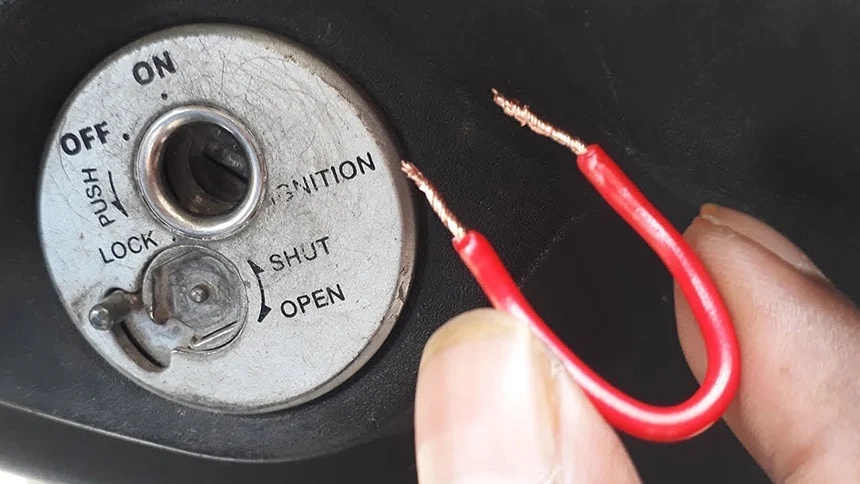
Already have one? We found a surprising way to start a mobility scooter without a key!
Free Electric Scooter Through Medicaid and State Programs
Medicaid provides more extensive coverage than Medicare for many people. This joint federal-state insurance helps low-income individuals. If you have Medicaid or dual Medicare-Medicaid coverage, you might get a scooter at no cost.
Many state Medicaid programs cover 100% of medically necessary mobility scooters. Furthermore, state-specific programs exist, such as Home and Community-Based Services waivers. These programs fund mobility equipment to help people live independently at home.
How to Access State Assistance Programs
Each state has an Assistive Technology Act program. These programs offer:
- Equipment loan closets
- Refurbished device giveaways
- Funding assistance for mobility aids
Contact your state’s Medicaid office to learn about local options. Additionally, reach out to your Area Agency on Aging (AAA). Every community has one of these agencies. They often know about state assistance programs and can connect you to loan closets or free medical equipment.
If you’re low-income, Medicaid could be a significant help. In many cases, it might cover your scooter completely. Therefore, be sure to explore this option thoroughly.
Government Assistance for Mobility Aids: Veterans’ Programs
If you’re a veteran or married to one, additional support exists. The U.S. Department of Veterans Affairs (VA) covers mobility scooters for eligible veterans. This is especially true if your need connects to a service-related disability.
VA Healthcare Benefits
Through VA healthcare, your doctor can prescribe a scooter. The VA will often provide it free of charge or at low cost. Programs like VA Prosthetic & Sensory Aids or Veteran Directed Care supply DME when medically needed.
Additionally, TRICARE covers medically necessary DME for military retirees and dependents. CHAMPVA does the same for certain veteran spouses and dependents. All require a doctor’s prescription.
Free Mobility Scooters for Veterans: Non-Profit Organizations
Beyond government programs, charities specifically help veterans:
Disabled American Veterans (DAV) provides free mobility scooters to disabled veterans. You must have a service-connected disability and be unable to afford a scooter. If eligible, you can apply and receive a donated scooter at no cost.
Other organizations include:
- Veterans of Foreign Wars (VFW)
- American Legion (through local chapters)
- American Outreach Foundation (focuses on veterans)
If you’re a veteran, take advantage of programs set up to honor your service. These resources exist to get you the equipment you need.
Looking for further independence? See how far you can go on a Mobility Scooter
Free Electric Scooter Program: Charities and Non-Profit Organizations

Numerous charities help people get mobility scooters for free. In fact, many non-profits offer grants or direct equipment donations.
National Charity Programs
American Outreach Foundation (AOF) refurbishes donated electric scooters. They offer them free to veterans and low-income families who qualify. The application process takes about 3-6 months. Currently, they operate primarily in California’s Coachella Valley area.
Friends of Disabled Adults and Children (FODAC) is Georgia-based but helps nationwide. They recondition mobility scooters and give them away free to people in need. Additionally, they provide repairs for donated equipment.
Condition-Specific Charities
If your mobility need stems from a specific condition, specialized organizations can help:
- Muscular Dystrophy Association (MDA) provides free mobility equipment to people with muscular dystrophy and related diseases
- ALS Association loans equipment to those with ALS
- National Multiple Sclerosis Society assists members with obtaining mobility devices
These organizations understand your specific needs. Therefore, reaching out to them can be particularly effective.
Local Community Resources
Lions Clubs International operates in many communities. Local chapters often run medical equipment loan closets. You can borrow wheelchairs, walkers, and sometimes scooters for free or minimal cost. Some chapters fundraise to purchase mobility devices for seniors who can’t afford them.
Churches and faith-based groups frequently have community service programs. For example, The Church of Jesus Christ of Latter-day Saints has donated wheelchairs and scooters to those in need. You don’t need to be a member. They run these programs to help people with disabilities.
Service clubs like Rotary Club also help. Many have donation programs for medical equipment.
Wanting to Travel with your scooter? Check out our Best Lightweight Mobility Scooters for Options.
Finding Charities in Your Area
To find relevant charities near you:
- Call your local senior center
- Contact your Area Agency on Aging
- Search online for “free mobility scooter + your city”
- Check Facebook groups for equipment donations
Plenty of charities agree that people in need shouldn’t be without mobility equipment. Moreover, local organizations might be your best resource.
American Outreach Foundation
This is a good backup option for people who have been rejected elsewhere.
The American Outreach Foundation can help veterans or those with low incomes. The foundation is all about helping those who have struggled to fund their needs elsewhere.
It’s also a simple process. To get started, you can fill out a form on their site. From here, you may have to prove your income or veteran status. You might also be asked to provide rejection letters from insurers.
Social Security Agency
If you are eligible for social security, it is worth going to the disability benefits office for your state and asking if they can help you to find the funding for your mobility scooter. It’s a challenge, as the process might take a long time. This agency is pretty busy and suffers with backlog.
How to Get Free Electric Scooter: Second-Hand Options
If insurance and charity routes aren’t working, consider second-hand avenues. Often, used mobility scooters are available for little or no cost.
Online Marketplaces
Check platforms like Facebook Marketplace, Craigslist, or eBay. Sometimes you’ll find listings for used mobility scooters in good condition at very low prices. Occasionally, they’re even free.
People moving or families of deceased equipment users often give scooters away. However, be careful of scams. Only use secure payment methods. Better yet, inspect the scooter in person. Ensure it works and the battery holds a charge before taking it.
Donation and Recycling Programs
Organizations specifically collect and redistribute used mobility devices:
- Chariots of Hope refurbishes and donates mobility equipment
- Wheelchair Recycling Programs collect, fix, and donate scooters
- Goodwill Home Medical Equipment stores resell donated scooters at very low cost
Some Goodwill locations even give scooters away to those in dire need.
Community Loan Closets
Check if local hospitals, senior centers, or rehab clinics have “loan closets.” Sometimes libraries or town offices run DME lending programs. You can borrow a scooter for free.
Pro Tip: Need to Compare Options? See Forbes List of Best Mobility Scooters
Free Mobility Scooters for Seniors: Fundraising and Community Support
If official channels aren’t yielding results and you really want to help someone, community fundraising can help. This way, you don’t pay out-of-pocket, effectively making it free for you.
Crowdfunding Websites
Platforms like GoFundMe allow you to create a campaign and tell your story. Many people have successfully raised money for wheelchairs or scooters this way.
To increase success:
- Include a photo
- Write a heartfelt description of why you need the scooter
- Share the campaign on social media
- Post in local community groups
Often, friends, family, and kind strangers will chip in. People want to help when they hear someone genuinely needs a medical device.
Local Fundraising Events
If online isn’t ideal, organize a small community fundraiser. Options include:
- Bake sales
- Car washes
- Church collections
- Charity bingo nights
- Yard sales
Communities often step up to help a known local member in need. While this requires effort, it can be remarkably effective.
Why Fundraising Works
People are often willing to help if they know the need. Many contributors feel happy to directly help someone get mobile. You might feel uncomfortable asking for money. However, remember that gaining mobility and independence is life-changing. It’s worth the ask.
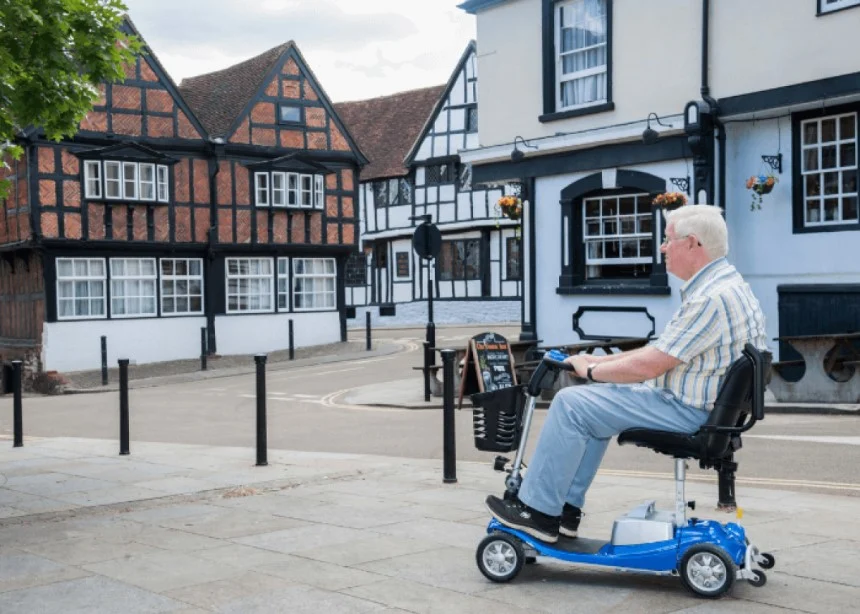
Free Mobility Scooters
If you need help with mobility, you have many avenues to explore. Don’t give up. Between insurance, government programs, charities, and community help, there’s a good chance you can obtain a mobility scooter at little to no cost.
We believe you shouldn’t have to be without mobility just because of money. Plenty of organizations share that belief. Moreover, persistence is key. You may need to apply to multiple programs or try several approaches. However, it’s worth it to regain mobility and independence.
If you’re a veteran or have a specific medical condition, leverage those specific resources. If you’re low-income, remember that programs are specifically designed to assist you.
Consider this: when you no longer need your mobility equipment, donate it. This helps others and creates a wonderful cycle of community support.
Take the first step today. Make a call, fill out an application, or reach out to a charity. A free mobility scooter can truly change your life for the better.
Independence Tip: If you cant get a free mobility scooter, why not learn how to get a free Wheelchair instead?
FAQ: Free Mobility Scooter Programs
Q: How can seniors get a free mobility scooter?
A: Seniors can obtain free mobility scooters through Medicare (covering 80%), Medicaid (often 100% for low-income), veteran programs, charities like FODAC or MDA, second-hand donations, or community fundraising. Start by checking Medicare eligibility and local charitable organizations.
Q: Does Medicare pay for a mobility scooter?
A: Yes, Medicare Part B covers 80% of the approved cost for medically necessary mobility scooters used in the home. You’ll need a doctor’s prescription and must meet mobility criteria. The remaining 20% can be covered through Medicaid, Medicare Savings Programs, or veteran assistance.
Q: What charities help with free mobility scooters?
A: Key charities include American Outreach Foundation (veterans/low-income), Friends of Disabled Adults and Children (nationwide), MDA (neuromuscular diseases), ALS Association (equipment loans), Lions Clubs (local chapters), and various faith-based organizations like churches and temples.
Q: Can veterans get mobility scooters for free?
A: Absolutely. Veterans can get free scooters through VA healthcare, Disabled American Veterans (DAV) programs, TRICARE, CHAMPVA, and veteran-focused charities. If you have a service-connected disability, you likely qualify for free equipment through the VA.
References
Mobility Scooters Direct – Funding Assistance Mobility Scooters & Power Wheelchairs (Blog, Dec 2024). – Explains how Medicare covers 80% of scooter costs and Medicaid can cover more, and lists charities like American Outreach Foundation and donation programs mobilityscootersdirect.com
Medicare.gov – Medicare Coverage of Wheelchairs & Scooters (Fact Sheet). – Outlines the medical criteria for Medicare coverage (need a doctor’s order, limited mobility at home) and that Medicare Part B pays 80% of the cost of a medically necessary scooter medicare.govmedicare.gov.
DME of America Inc. – Top Organizations Providing Free Medical Equipment for Seniors (Blog, 2022). – Highlights programs like Medicare/Medicaid, ALS Association loan closet, Area Agencies on Aging, Lions Club loaner programs, and FODAC’s free equipment for seniors dmeofamericainc.com
Restore Mobility – How to Get a Free Mobility Scooter: Tips and Resources (Blog, Nov 2023). – Mentions initiatives like National Mobility Awareness Month and charities. Notably confirms that Disabled American Veterans (DAV) provides free mobility scooters to eligible disabled veterans restoremobility.com and that MDA supplies free mobility equipment to those with muscular dystrophy restoremobility.com.
Paiseec Mobility – Can You Get a Mobility Scooter on Disability? (Blog, Sep 2024). – Provides insight on qualifications (who might qualify) and lists nonprofits (Tyler Schrenk Foundation, Hope Haven, Joni and Friends, etc.) that assist with free scooters, as well as reiterating Medicare 80% and Medicaid often 100% coverage paiseec.com.
Accessibility.com – Organizations that Donate Mobility Equipment (Article, June 2022). – Details how charities like American Outreach Foundation operate (refurbishing donated chairs for veterans/low-income clients) and notes AOF’s service area and application process accessibility.com.